

How to Improve Lead Collection on Your Website Without Redesigning It (2026 Guide)
Collecting leads online is harder than it looks. Many businesses get plenty of traffic but still struggle to improve lead collection. Tiny issues often go unnoticed: a confusing form, unclear benefit, or missing trust badge can make visitors leave. In 2026, the urgency to improve lead collection is high — every missed opportunity is lost revenue. The good news is you don’t need a full website overhaul to fix this. By making targeted micro-optimizations on your existing pages, you can see faster results.
Websites often fail to turn visitors into leads because they skip simple fixes. Slow-loading forms, poorly worded fields, or irrelevant questions can scare people off and hurt conversions. Instead of rebuilding whole pages, fix these immediate issues to improve lead collection. For example, changing a generic “Submit” button to “Get My Free Guide” highlights the value. Each tweak like this compounds, steadily boosting conversion rates and making it easier to improve lead collection over time.
Think of your site as a funnel: even a 5% drop-off at each step leads to many lost leads. However, plugging leaks is easier than it sounds. Adding a testimonial next to a form or breaking a long form into two steps can noticeably improve lead collection immediately. These small changes make the signup process easier, faster, and more appealing. Over time, those improvements add up to a steady rise in sign-ups and contacts.
In this 2026 guide, we’ll explain why most lead forms don’t convert and share core principles of high-converting forms. You’ll learn how to use interactive forms, persuasive microcopy, and smart tools (like Typeform) to improve your sign-up rate. We also cover advanced tactics and a practical checklist. By the end, you’ll have a complete blueprint to improve lead collection without redesigning your site. The fastest ways to improve lead collection are just ahead — let’s dive in and unlock those leads.
If you want to instantly improve your lead collection without redesigning your site, try Typeform — an interactive form builder that converts significantly better than static forms.
👉 Start your free Typeform account
By the way, If you want a broader view of the landscape, I’ve also put together a complete 2026 guide to digital tools covering AI, CRM, productivity platforms, automation tools and more.
Why Most Lead Forms Don’t Convert
Even the best-looking websites lose leads because small mistakes stop people from filling out forms. Let’s look at the biggest reasons lead forms fail, and why these issues prevent you from improving lead collection:
- Too many fields: Long forms scare users away. When a form asks for name, email, phone, address, company, job title, and more, visitors get overwhelmed. Reducing fields cuts friction, dramatically increasing the chance someone completes the form. For instance, an e-commerce site trimmed a 10-field form down to just email and first name and saw sign-ups jump. Minimizing fields is a quick way to improve lead collection because each removed question makes it easier to say “yes.”
- Bad wording or confusing prompts: Generic labels like “Submit” or vague headlines hurt clarity. Visitors must know exactly what they’ll get; if the offer isn’t obvious, many won’t bother. For example, a financial services site changed its CTA from “Sign Up” to “Get Your Free Quote,” which clearly communicated value and improved conversions. Benefit-focused copy improves lead collection by showing exactly what prospects gain. Using language like “Get expert tips” or “Claim your discount” tells people exactly what they will receive. This clarity encourages more sign-ups and makes it easier to improve lead collection.
- Slow load time: A sluggish form can kill leads. If your form widgets or scripts load slowly, impatient visitors leave before filling anything out. One SaaS company found that simplifying form scripts sped up page load and boosted sign-ups. Faster forms reduce friction and improve lead collection simply by keeping people on the page. Always ensure your forms load quickly on every device.
- No trust signals: When a form looks bare or lacks credibility markers, people hesitate to share info. Adding social proof and reassurances helps. For example, a software firm added the text “Trusted by 10,000+ professionals” and a small padlock icon near their form. These trust signals reassure visitors and reduce anxiety, which directly improve lead collection by making sign-ups feel safe. Logos of known clients or brief testimonials near the form have a similar effect.
- No clear value exchange: Visitors need a compelling reason to give you their email. A form that just asks “Join our list” without highlighting what’s in it offers no incentive. By contrast, a site might promise “Download our free marketing toolkit” or “Get weekly sales tips” as a reward. Always make the benefit obvious. A strong value proposition will improve lead collection by turning the form into a fair exchange: users give their info and get something valuable in return.

Core Principles to Improve Lead Collection
To get more leads without redesigning your site, keep these core principles in mind:
- Friction reduction: Eliminate any unnecessary steps. The fewer fields and clicks, the better. Even small barriers cause drop-off. For example, replace complex dropdowns with one-click options or use autofill. By reducing friction you directly improve lead collection, since a smoother process means more completions.
- Visual simplicity: A cluttered form confuses visitors. Use clear labels, plenty of white space, and a strong headline. A clean design draws attention to the offer. Simplifying visuals makes the form inviting. When users can instantly see how to sign up, it will improve lead collection because distractions are removed.
- Psychological triggers: Human motivation matters. Leverage social proof or urgency. For instance, add a note like “Join 5,000+ happy subscribers” or mention a limited-time offer. These triggers create trust and excitement. Using the right words and cues can significantly improve lead collection by prompting people to act quickly.
- Clarity over cleverness: Avoid gimmicks. Be straightforward about what you offer. Direct language beats clever wordplay. If the user has to guess what happens after clicking, you lose them. Clear copy and headlines establish the value right away, which will improve lead collection by giving a clear reason to fill out the form.
- Quick wins: Start with the easiest fixes to see instant results. Tweak button colors or add a privacy line under the email field. Each quick win incrementally improves user experience. These small changes stack up and will improve lead collection without any big overhaul.
Using Interactive Forms to Improve Lead Collection
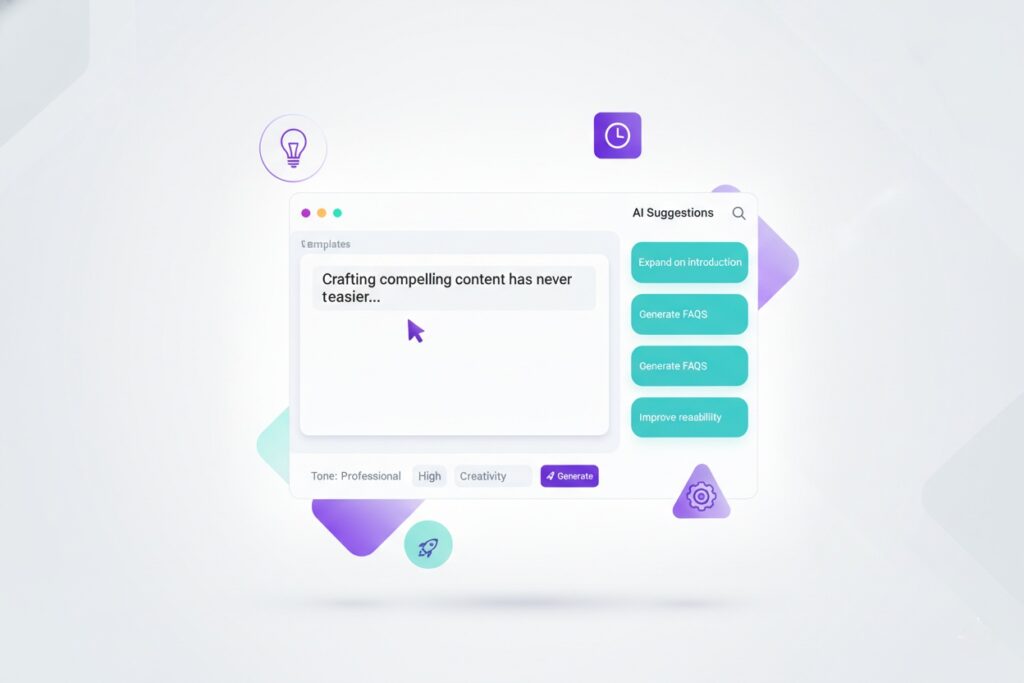
Interactive forms change the game when you want to improve lead collection on existing pages. Instead of a long static form, visitors answer one question at a time or see an engaging interface that adapts to them. This approach feels more conversational and can dramatically improve lead collection. It keeps users on the page longer and guides them smoothly toward submitting.
Tools like Typeform make it easy to turn a long static form into a fast, conversational experience that keeps visitors engaged. Try Typeform here (free to start)
Why Interactive UX Works Better Than Static Forms
Interactive UX can improve lead collection because it keeps visitors engaged with a friendly, step-by-step process. A dynamic form or chatbot-style interaction feels personal and modern. For example, a B2B company replaced its single-page form with a short quiz that branched based on answers, and their completion rates rose. By guiding visitors through each step, every question feels quick and easy. This step-by-step flow reduces overwhelm and significantly improves lead collection by focusing user attention on one question at a time.
Reducing Form Fields Without Losing Data
Another way to improve lead collection is to start with just one essential field (often an email), then gather extra information later. This progressive profiling approach cuts upfront friction. For example, a SaaS sign-up might ask only for email on the first screen, then ask for the user’s name on the next screen. Users are much more likely to finish the first step. Once they’re engaged, you can ask for other details. This strategy reduces initial fields without losing data and directly improves lead collection by making the form shorter and easier.
Using Logic Jumps to Increase Completion Rates
Logic jumps (conditional branching) are another tool to improve lead collection. By showing only relevant questions, forms feel shorter and more tailored. For instance, an insurance form might ask “Do you have a car?” If the user answers “No,” the car-related questions are skipped; if “Yes,” the form shows extra fields. Each hidden or shown question based on user input makes the form feel custom-made. This smoother experience directly improves lead collection, because users are less likely to abandon the form.
Personalizing Questions to Increase Engagement
Personalization pushes performance further. If you know the visitor’s context, you can tweak questions or messaging. For example, if someone reads a blog on email marketing, the form could ask “Looking for email marketing tips?” If they came from a webinar page, it could say “Want to schedule a demo?” These personalized prompts show the site understands their needs. By speaking directly to each visitor, personalization greatly improves lead collection by building an instant connection. Every form element feels relevant, making people more likely to sign up.
Leveraging Microcopy & CTA Optimization
The words around your forms matter just as much as layout. Optimize microcopy and call-to-action (CTA) text to improve lead collection. For example, the text on your submit button can improve lead collection by clearly telling people what they get.
Writing Strong, Clear CTA Buttons
A weak CTA can hurt results. Instead of “Submit,” use a specific action. Before: “Submit” – that tells the user nothing. After: “Get My Free Guide” – this button immediately shows the benefit. Another example: change “Subscribe” to “Send Me Daily Tips.” These clearer CTAs improve lead collection by making the action feel valuable. Visitors will understand exactly what they’re signing up for, raising the chance they click through.
High-Converting Headlines and Sub-Headlines
Your form’s headline and subtext must promise value. Before: “Newsletter Signup” – boring and generic. After: “Get Exclusive Marketing Tips” – specific and enticing. A sub-headline like “Join 10,000+ other marketers” adds proof. These changes improve lead collection by quickly conveying the benefit and building trust. Use strong headlines that speak to the user’s problem or desire, not just jargon or company talk.
Trust Elements Near Forms
Small trust cues can make a big difference. For example, adding a line like “Your email is safe with us. No spam.” or a small padlock icon reassures users. Before: no trust note at all. After: “[Email Address field] * We respect your privacy” below the form. This microcopy improves lead collection by reducing fear. You could also add a brief testimonial snippet or client logo near the form. Each trust element you add improves lead collection because it lowers user hesitation and makes signing up feel safer.
Using Tools to Improve Lead Collection (Without Redesigning Your Site)
You can also improve lead collection by adding or tweaking tools, without changing your site’s core layout. For example, swapping in a specialized form builder can instantly upgrade a static form. One popular option is Typeform: its conversational, mobile-friendly forms can improve lead collection by boosting completion rates. Embedding a Typeform quiz or survey turns a boring signup into an interactive experience. Many marketers find that simply integrating a tool like Typeform on an existing page gives an immediate lift to leads.
Beyond form builders, consider other plugins or widgets. A chatbot tool (like Intercom or Facebook Messenger bots) can capture leads in a friendly chat interface. A well-configured chatbot automatically gathers contact info when a visitor asks a question. This approach improves lead collection by engaging users who might ignore a traditional form. Similarly, a popup builder (like OptinMonster) can display targeted offers at the right time. For example, an exit-intent popup might show a newsletter sign-up or discount code just as someone is about to leave. These well-timed popups create extra chances to capture an email.
If you use a CMS like WordPress or Shopify, there are many lead capture plugins you can add. Many plugins offer email signup widgets, landing page templates, or conversion-focused pop-ups. Adding one of these tools can quickly improve lead collection without any redesign. Each plugin injects a new form or call-to-action into your site. Each added touchpoint is another chance for a visitor to share their info. For instance, a store might add a slide-in email box on product pages, or a service site might include a floating contact button.
Each of these tools creates fresh lead capture opportunities without a redesign. The key is to try options like Typeform, chatbots, or pop-up builders and track results. When the right tools are in place, you’ll improve lead collection by giving visitors more ways to opt in on your current site. Measure results and iterate: each tweak can boost your lead count quickly.
Advanced Tactics to Improve Lead Collection
- Multi-step forms: Break a long form into multiple steps. Each step feels shorter, and adding a simple progress bar or question count tells people how much is left. For example, a survey-style lead gen form with a “Step 1 of 3” header dramatically increased sign-ups for one site. Multi-step forms improve lead collection by lowering perceived effort, so more people finish.
- Progress indicators: Whenever you have multiple steps, always show a progress bar or step counter. When users see “Step 1 of 3,” they know it won’t take forever. This clarity builds confidence. A clear indicator can significantly improve lead collection by reassuring users that the end is in sight.
- Exit-intent mini-forms: Use exit-intent pop-ups or slide-ins to catch people who are leaving. For instance, when a shopper moves their mouse to close the tab, trigger a small email capture form offering a discount. This tactic has helped many ecommerce sites recover abandoning visitors. An exit-intent form literally improves lead collection by grabbing attention at the last moment.
- Inline forms vs. modal forms: Embed some forms directly in key content (inline) and use pop-ups (modal) sparingly. Inline forms might go in article sidebars or at the end of a post, catching engaged readers. Modals command attention but can annoy if overused. Test both formats to see which converts better. For example, one company found their modal popup outperformed the inline widget, so focusing on that popup improved lead collection.
- A/B testing question sequence: Experiment with the order and phrasing of form fields. Sometimes asking the easiest question first (like email) increases completions. Other times, starting with a qualifying question can filter in your most interested leads. For example, a software blog tested “What topic interests you?” versus “Enter your email.” They discovered one variant improved lead collection by revealing which question better motivated sign-ups. Continual testing ensures you’re always improving lead collection by learning what works best.

Step-By-Step Checklist to Improve Lead Collection Fast
- Analyze form metrics: Check analytics for your current forms. Identify which fields or steps cause the most drop-offs. Fixing those weak points is the first step to improve lead collection.
- Remove non-essential fields: Cut down to the bare minimum (often just name and email). Each removed field reduces friction and will improve lead collection because users find the form quicker to complete.
- Clarify headlines and subtext: Rewrite your form headline to highlight a benefit (e.g. “Get Your Free eBook”). Add a short subheading if needed. A clear value proposition will improve lead collection by making the offer obvious.
- Optimize button text: Use strong action verbs and benefits in your CTA. Instead of “Submit,” say “Send Me Weekly Tips” or “Claim My Discount.” This small change can noticeably improve lead collection by making the next step enticing.
- Add trust cues: Include a line like “We respect your privacy” or trust badges near the form. Confirm that users won’t get spam. A trust note under or around the form will improve lead collection by reducing anxiety.
- Improve form speed: Ensure the form loads quickly. Compress scripts or use faster form tools if needed. A faster form improves lead collection by preventing visitors from bouncing.
- Ensure mobile-friendly design: Test the form on phones and tablets. Make input fields large and use mobile-optimized keyboard types (e.g. numeric keypad for phone). A mobile-friendly form will improve lead collection by capturing more mobile traffic.
- Deploy an exit-intent popup: Create a small popup that appears when a user is about to leave. Offer something valuable (like a coupon or exclusive tips) to capture them before they go. This can improve lead collection by seizing last-moment attention.
- Try a multi-step form: Replace a long form with 2–3 quick steps. For instance, first ask only for email, then on step two ask for name or preferences. This often improves lead collection because each step seems easy to complete.
- Use a progress bar: If the form has multiple steps, always show progress (e.g. “Step 2 of 3”). Letting users know how far they have come will improve lead collection by motivating them to reach the end.
- Personalize if possible: Use any info you have (like referral source or page context) to tweak the form’s copy or questions. Personal messaging can improve lead collection by showing visitors that the form is relevant to their needs.
- Choose smart placements: Put inline forms where interested readers see them (sidebar, after content) and trigger modals where appropriate. Tracking which placement yields the highest sign-ups will improve lead collection by focusing on the best spots.
- A/B test form elements: Experiment with headlines, button colors, or even form fields. Compare two versions to see which gets more sign-ups. A/B testing will improve lead collection by revealing which changes resonate with your audience.
- Review and iterate: Regularly review performance. Keep tweaking and testing new ideas. Each update will improve lead collection, so consistent iteration is key.
Common Mistakes When Trying to Improve Lead Collection
- Ignoring mobile optimization: If your form is hard to fill out on a phone, you’ll lose half your audience. Make sure forms resize correctly and use touch-friendly inputs. A mobile-optimized form improves lead collection among smartphone users.
- Overcomplicating forms: Adding too many fields or steps to “qualify” leads often backfires. Keep forms as simple as possible. Simplifying fields and steps will improve lead collection by eliminating frustration.
- Weak or unclear value proposition: If the form copy doesn’t clearly explain the reward for signing up, visitors won’t care. Make the benefit obvious (like a discount, guide, or insider tips). Strengthening your offer will improve lead collection because users see exactly why to sign up.
- Skipping A/B tests: Never assume your first design is best. Without A/B testing different versions, you miss easy improvements. Testing headlines, button text, or layouts will improve lead collection by revealing what resonates with your audience.
- Hiding forms too deep: Burying your signup form at the bottom of a page or only on a contact page means few people will find it. Instead, place forms where visitors pay attention (above the fold or in multiple spots). Making forms more visible improves lead collection by catching interested eyes.
- Overusing pop-ups: It’s tempting to show lots of pop-ups, but too many interruptions annoy visitors. Use pop-ups sparingly (like one well-timed exit-intent offer). Limiting pop-ups prevents user frustration and ultimately improves lead collection by not driving people away.
- Neglecting analytics: If you don’t track form submissions and abandonment, you won’t know what’s working. Use analytics or event tracking to measure conversions. Knowing your numbers helps you focus on improvements that truly improve lead collection.
- Using jargon or vague labels: Using corporate jargon or generic words (like “Submit”) can confuse users. Always label fields and buttons plainly. Clear, simple language helps users act, which improves lead collection.
Conclusion – The Fastest Ways to Improve Lead Collection in 2026
In summary, focusing on these tactics is the fastest way to improve lead collection in 2026. Each small change – from simpler form fields to stronger headlines – immediately improves lead collection by capturing more visitors. Adding trust cues and better CTA text can improve lead collection fast, without waiting for a redesign. Using interactive forms or the right plug-in tools will improve lead collection right now, giving your site new ways to convert traffic. Even a single tweak like a new headline or button label can improve lead collection overnight. Each change compounds, so step by step you will improve lead collection across every part of your funnel. For any site, the quickest thing you can do to improve lead collection is to start applying these ideas consistently. The sooner you act, the sooner you’ll turn more traffic into leads.
With these strategies implemented, you’ll see how quickly you can improve lead collection – one simple tweak at a time. Apply them now and watch your leads multiply.
And if you want one of the simplest ways to improve lead collection starting today, try Typeform — a modern, interactive form builder that boosts conversions in minutes.
Want to read more about Typeform? here