

How to Write a Winning Business Proposal in 2026
Feeling frustrated sending out dull proposals that never convert? You’re not alone. Too many entrepreneurs and freelancers pour hours into one-size-fits-all documents only to hear crickets in return. Something’s not clicking. Maybe the format feels archaic, or the design is bland.
In 2026, prospects expect proposals that are dynamic, personalized, and packed with value. That’s where learning how to write business proposal 2026 style comes in. In this guide, we’ll break down exactly how to write a business proposal 2026 that captivates clients, tells your story, and seals the deal. With a clear structure, compelling storytelling, and the right tech tools, you’ll leave dull, ineffective templates behind and unlock more wins.
This isn’t just theory; it’s a hands-on roadmap to crafting proposals that clients can’t ignore. Ready to stop losing opportunities and start closing more deals? Let’s dive into how to write business proposal 2026 with confidence and creativity. By the end of this article, you’ll know exactly which modern elements make a proposal impossible to refuse.
Why Most Business Proposals Fail
If your proposals rarely win projects, the problem isn’t always you—it could be the approach. Many proposals still rely on outdated formats and stale language. They feel generic, one-size-fits-none, and clients can tell. Without personal touches or a clear story, your proposal will look like dozens of others.
Bad design is another culprit. An overcrowded PDF or boring layout can make even great ideas look dull. For example, a cluttered wall of text can overwhelm readers instead of engaging them. Finally, forgetting to clearly solve the client’s problem means your proposal reads as a sales pitch, not a personalized solution. The result? It ends up in the trash or an ignored inbox.
Think of your proposal as a first impression. If it looks ten years old, prospects may doubt your relevance. If it seems copy-pasted, they’ll sense the lack of effort.
Knowing why most proposals fail helps you avoid the same mistakes. Instead of following the herd, stand out by flipping the script. This means learning to write business proposal 2026 style—fresh, personal, and visually engaging.
Essential Elements of a Winning Proposal
Every great proposal follows a clear formula. When you write business proposal 2026, make sure yours includes: – Strong Cover Page: Use your branding, client’s name, and a clear title. A strong cover makes a confident first impression. You might even add a tagline that highlights the main benefit of your proposal. – Executive Summary: Write a brief overview of the problem and your solution. Be concise and client-focused—address their specific needs up front so they know you get it. – Goals & Objectives: Clearly outline what success looks like. Show you understand their pain points and describe how your work will achieve tangible results. – Scope of Work & Timeline: Break down deliverables, milestones, and deadlines. A clear timeline shows you’re organized and builds trust by setting realistic expectations. – Budget & Pricing: Be transparent with costs. Show multiple pricing options or packages if relevant. A good pricing section explains ROI—why this investment pays off for the client. – Social Proof or Case Studies: Include testimonials or examples of past success with metrics if possible. This builds credibility and shows your proven impact. – Call to Action: Finish strong. Tell the client exactly how to accept or get in touch—make the next step crystal clear, whether it’s signing a contract or scheduling a follow-up call.
Each piece is essential. Together, they show professionalism and make it easy for the client to say yes. When you write your proposal in 2026, don’t skip these parts—treat each section as a promise of value.
Design and Technology in 2026
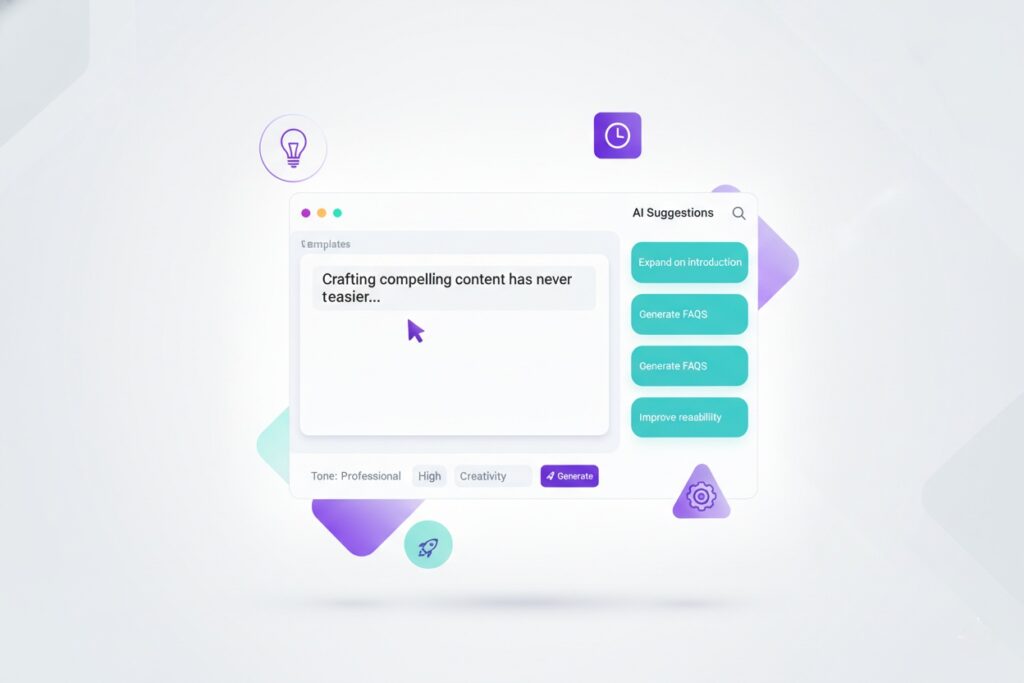
Gone are the days of bland PDFs. In 2026, design and tech can transform your proposals into interactive experiences. Tools like Better Proposals give you modern templates, on-brand styling, and even proposal tracking. Automation features can fill in details for you, leaving you more time to focus on strategy.
For example, with a tool like Better Proposals, you can drag in your own logo and colors, add images or video demos, and set up a quick e-signature so clients can sign instantly. No coding or design skills are needed—drag-and-drop simplicity gets polished layouts in minutes. You could even embed video pitches or interactive charts that clients can explore. You also get notifications when a client views or signs your proposal, so you can follow up at the right time.
Using up-to-date tech shows clients you’re forward-thinking. Plus, it makes your life easier—no more wrestling with clunky PDF editors or endless email attachments. Embrace these tools as part of learning how to write business proposal 2026: they help keep proposals fast, sharp, and trackable for anyone on the go.
By the way, If you want a broader view of the landscape, I’ve also put together a complete 2026 guide to digital tools covering AI, CRM, productivity platforms, automation tools and more.

Personalization and Storytelling in Proposals
The most memorable proposals feel personal. Instead of writing a sales pitch, think like a storyteller. What challenge is the client facing? How does your solution fit into their narrative?
Speak directly to them. Use their name and details about their company. Reference conversations you’ve had or research you’ve done—this shows you’ve listened.
Then, weave a bit of story or analogy around your solution. Maybe relate a past success story of a similar client, or paint a picture of the future after your work.
Think of it like scripting a movie trailer: you need to hook them with a compelling narrative and give them a glimpse of the thrilling result. Emotion and clarity in a proposal make it more persuasive. When prospects see you understand their journey, they’re more likely to engage.
This is a hallmark of how to write business proposal 2026—treat each proposal as a custom pitch. Even small touches (like matching their branding colors or industry terms) say, “This was made for you.” By telling a story with clear benefits, you connect with clients as humans, not just transaction targets.
Step-by-Step Guide to Writing Your Proposal
Ready for a hands-on approach? Grab a notebook or open a proposal template. These concrete steps will guide you from start to finish. Follow the instructions below to write a winning proposal that reflects everything you learned above:
- Research Your Client: Start by reviewing the client’s business, challenges, and industry. Note their goals so you can speak directly to them. This background makes your writing focused and relevant. For example, when you write business proposal 2026, this background knowledge will help you speak their language from the start.
- Outline the Structure: Before writing full text, sketch out each section (cover, summary, goals, timeline, pricing, CTA). An outline keeps your proposal organized and ensures you don’t miss any key piece. A checklist of sections is your guide as you write.
- Write with Clarity and Persuasion: Use short sentences and speak to the client’s needs. Avoid buzzwords or jargon. Clearly state benefits, not just features. For example, instead of vague claims like “We will increase sales,” say “We will help [Client] grow revenue by 20% within six months.” This shows specific outcomes.
Dear [Client Name],
Thank you for giving us the opportunity to present this proposal. We understand that [Client Company] wants to [solve X problem/achieve Y goal], and our team is uniquely positioned to deliver the results you’re looking for. We propose a targeted strategy focusing on [brief approach], which will help you [specific outcome]. We’ve helped companies like yours increase efficiency and boost revenue, and we’re confident we can do the same for [Client Company].
In the following pages, you’ll find a clear outline of our goals, timeline, and pricing. We’re excited to partner with you and turn your vision into reality.
In this excerpt, notice the warm greeting, clear mention of the client’s goal, and specific language about results. This is exactly how to write business proposal 2026 materials—by addressing challenges head-on and promising real outcomes.
- Design and Visuals: Use a modern template or design tool (like Better Proposals) to format your content. Incorporate your branding and the client’s logo. Add visuals or charts if they explain your points. A clean, attractive layout reinforces your professionalism.
- Review and Personalize: Read through the draft and insert any personal touches—mention a recent achievement of the client, or adjust language to fit their tone. Proofread carefully; grammar mistakes look unprofessional. Make sure your focus keyword “write business proposal 2026” appears naturally as a sign of up-to-date knowledge.
- Send and Follow Up: Send the proposal as a trackable link or PDF. After a day or two, follow up with a friendly message. Often, a brief chat can clarify questions and speed up approval. If you haven’t heard back in a week, send a gentle reminder—sometimes, a friendly nudge is all it takes to move things forward. Timely follow-ups show persistence and that you care.
If a proposal is declined, politely ask for feedback. Every response—even a no—can help you refine your approach for next time.
By following these steps, you’ll craft a professional, compelling pitch. Remember, each proposal is an opportunity to demonstrate value and expertise. Practice makes perfect, and soon you’ll be writing proposals that actually close deals.
Conclusion
Writing a standout proposal in 2026 means breaking away from the one-size-fits-all approach. By focusing on what matters—understanding your client’s goals, telling a clear story, and using the latest design tools—you can turn ideas into accepted proposals.
This guide has shown you how to write business proposal 2026 style: with personalized content, professional structure, and compelling visuals. The next step is to put these tips into action. Try updating one of your old proposals with this fresh approach and see the difference it makes.
For an extra boost, consider using a platform like Better Proposals to streamline the process. Templates, automation, and analytics can accelerate your success. Each new proposal is an opportunity to apply what you’ve learned and win more business. With practice, each proposal you send will be stronger than the last. Each proposal is a new opportunity to build trust and demonstrate expertise. The more you practice, the more natural it becomes, and each success will fuel your confidence.
In 2026, the businesses that master the art of writing persuasive proposals will close more deals than ever — start mastering it today.
want to read more about business tools? check here