

SalesNexus Review 2026
SalesNexus review 2026 opens by acknowledging that in today’s market, CRM software and sales automation tools are mission-critical for growth. Businesses of all sizes rely on CRM platforms to keep leads organized, track deal stages, and nurture customer relationships. This SalesNexus review explores where SalesNexus fits as a CRM and lead management platform for small and medium enterprises. We’ll examine its features—from contact management to email automation—evaluate pricing and ideal users, and offer scenario-based insights on how this marketing automation and sales automation suite helps businesses thrive.
CRM systems are now the backbone of modern sales processes. They centralize customer and prospect information, manage sales pipelines, and automate repetitive tasks like follow-up emails or data entry. According to industry insights, companies using a robust CRM see higher lead conversion and better customer retention. SalesNexus positions itself as an all-in-one solution built by salespeople, for salespeople. In this SalesNexus review, we find that it combines core CRM functionality with marketing automation tools. It includes email and SMS campaigns, drip sequences, contact filtering, and sales workflow automation. All these elements are designed to help teams close deals faster and keep pipelines full.
👉 Try SalesNexus Free for 14 Days
A salesperson working on a laptop uses CRM software to manage contacts and automate marketing outreach. The platform emphasizes email-driven sales processes. It lets users send automated drip campaigns and one-off email blasts directly from the CRM. The system also includes a phone/SMS component and connects to calling platforms like RingCentral. SalesNexus is cloud-based, with no-install web access. According to several analyses, that means teams can log in from a browser or mobile device to update deals and send follow-ups wherever they are. This flexibility makes it a compelling small business CRM for distributed sales teams and consultants who can’t always be at their desk.
Beyond its email focus, SalesNexus offers a traditional contact database. Companies can import unlimited contacts and segment them by tags, custom fields, or behavior. The sales automation side lets sales reps set reminders, schedule follow-ups, and track opportunities through pipeline stages. In the following sections of this SalesNexus review, we’ll unpack exactly how each of these capabilities work, and for whom the platform makes the most sense. By the end, you’ll have a clear picture of SalesNexus’s strengths and weaknesses, and whether it’s the right CRM software for your growing business.
By the way, If you want a broader view of the landscape, I’ve also put together a complete 2026 guide to digital tools covering AI, CRM, productivity platforms, automation tools and more.
What Is SalesNexus?
SalesNexus is a combined CRM and marketing automation platform designed to drive sales efficiency for growing teams. At its core, it functions as a customer relationship management system that organizes contacts, deals, and tasks. But it stands out by integrating advanced sales automation and email marketing tools into the CRM itself. According to industry data, this convergence of features can significantly streamline the sales process and boost lead follow-up rates.
The platform was built “by salespeople for salespeople,” meaning it’s tailored to common sales workflows. Sales teams use SalesNexus to automate outreach via email, text/SMS, and even ringless voicemail. The system captures leads from sources like website forms or imported lists, then keeps them in a centralized lead management platform. Each lead profile stores contact history, notes, and status. Sales reps can quickly filter prospects by criteria such as status, source, or engagement level. For example, a user might create a filtered view to show all leads who have received a proposal but not responded yet. This makes targeting follow-up efforts easy.
SalesNexus also includes pipeline management features. Users create custom pipelines with stages that mirror their sales process. As leads progress (for instance, from “Contacted” to “Proposal Sent”), the CRM updates their status and triggers any relevant tasks or reminders. Reports and dashboards show a clear pipeline view so managers can see where deals stand. Several business cases show this visual clarity helps teams make better decisions at each stage.
On the marketing side, the platform offers an email automation suite. Users can design drip campaigns, schedule blasts, and segment email lists based on CRM data. The platform boasts unlimited email sending within plan limits. Behavioral triggers let the CRM act on actions such as email opens or link clicks. This means the system can automatically move contacts to the next drip step or notify a salesperson when a lead takes a desired action. These features effectively turn the CRM into a marketing automation engine that keeps leads engaged without manual intervention.
SalesNexus also supports SMS/text automation. Sales reps can send bulk SMS or automate text reminders as part of follow-up campaigns. The system logs all email and text conversations in the contact timeline, keeping communication history organized. In this way, SalesNexus merges CRM tasks with communication automation in one interface.
Overall, SalesNexus positions itself as a CRM + marketing tool that helps small and medium businesses maintain momentum in their sales cycles. It promises to replace manual spreadsheets and disconnected emailing with an integrated workflow. In short, it’s a lead management platform that guides each prospect from initial contact to closed deal while automating routine steps. In the sections below, this SalesNexus review will break down key capabilities like contact management, pipeline tracking, and email marketing automation in more detail.

Key Features of SalesNexus
SalesNexus comes packed with features aimed at sales and marketing teams. Here we look at its major components in detail:
CRM Contact Management
SalesNexus’s CRM offers a robust contact management system. All contacts are stored in a searchable database with unlimited contacts allowed on every plan. Each contact record can include standard fields (name, company, etc.) as well as custom fields defined by the user. Businesses can tag contacts or add them to custom groups for segmentation. For instance, a user might tag leads as “Webinar Attendee” or “Cold Call Prospect.” Those tags let marketing automations send targeted messages only to relevant segments.
The interface lets salespeople import contact lists from CSV or sync with Google/Outlook. There is also a contact enrichment feature that automatically fills in details like job title and industry based on email domains. This saves time entering data and ensures profiles are detailed. According to industry feedback, having rich contact profiles directly in the CRM is crucial for effective outreach and personalizing communication.
Contacts can be filtered and searched by any combination of fields. This is helpful for building targeted lists for a campaign or follow-up. For example, a marketing agency could filter contacts to find just those in a particular location or industry segment. Once filtered, lists can be moved into automated drip campaigns or manually reviewed. Overall, SalesNexus’s contact management functions as the foundation for all its automation. It keeps prospect info organized so that no lead falls through the cracks. Having everything centralized is especially valuable for small businesses that previously relied on spreadsheets or loose email lists.
Lead Tracking and Sales Pipelines
A core part of this small business CRM is lead tracking and pipeline management. SalesNexus lets users define custom sales stages that match their process (e.g., New Lead, Qualifying, Proposal, Negotiation, Closed). Each deal or opportunity is assigned to a stage, and the CRM shows a visual pipeline. This pipeline view gives managers real-time insight into how many leads are in each stage, helping forecast sales and spot bottlenecks. For example, if many leads stall in the “Proposal Sent” stage, a manager can address that specific gap.
The system creates tasks and activities linked to pipeline stages. For instance, when a lead moves to “Proposal,” SalesNexus can automatically schedule a reminder for a sales rep to follow up after a week. As leads convert or fall out, the pipeline updates. This process management ensures that teams maintain momentum. It reduces the chance that a promising opportunity is forgotten. According to recent analyses, having a clear pipeline view like this can shorten sales cycles by keeping reps focused on next steps.
SalesNexus also tracks lead sources and conversions. Users can tag how each lead arrived (trade show, website form, referral, etc.) to measure which channels bring the best ROI. The CRM ties campaign performance to lead creation, so marketing teams can see which efforts are working. This kind of reporting is key for optimizing a lead generation strategy.
For businesses selling to businesses (B2B), sales pipelines are critical. In such cases, multiple contacts and decision-makers might be involved. SalesNexus’s contact management can link contacts to a single deal, so all communications with a given account stay connected. In summary, the platform’s lead tracking keeps prospects moving forward. Sales teams gain a crystal-clear view of the sales pipeline so they know exactly where to focus their efforts.
Email Marketing Automation Suite
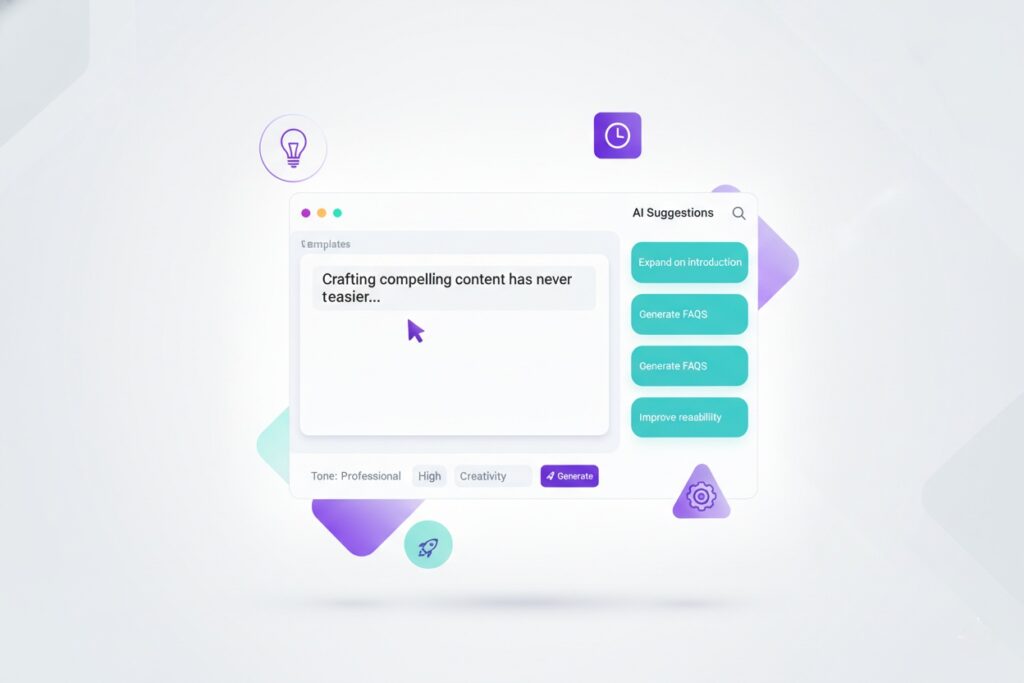
An email marketing platform allows users to design drip campaigns and engage prospects automatically. One of SalesNexus’s standout strengths is its email automation suite. The platform includes unlimited email sending up to the plan limits, making it both a CRM software and an integrated email marketing tool. SalesNexus provides templates for newsletters and drip emails, and a drag-and-drop editor lets users create branded email sequences. Because it’s built into the CRM, every email campaign ties back to contact records and is logged automatically.
Users can set up sophisticated drip campaigns based on triggers. For example, when a new lead is added to the system, it could automatically enter a 5-step email sequence introducing your services. The system can wait for a specified time between messages, or move a lead to a different sequence based on their actions (like clicking a link). These behavioral triggers make the follow-up semi-automatic. As soon as a lead opens an email or responds, SalesNexus can alert the salesperson or advance the process.
Aside from drip flows, SalesNexus supports one-time bulk email blasts. Small businesses often need to send newsletters or promotions, and SalesNexus’s platform handles list segmentation, sending, and tracking. You can segment contacts by industry, geographic location, or by any custom criteria. The “Automated List Segmentation” feature dynamically updates contact lists for each campaign, ensuring the right message goes to the right people. In practice, a small team could easily run a monthly newsletter campaign without needing a separate email tool.
Performance tracking is built-in: the system reports open rates, click-throughs, and bounce rates for every email. This data gets logged on each contact’s profile. For example, if a high-value lead stops opening emails, the sales rep can see this drop-off and choose to call or text the person instead. Research shows that combining CRM and email metrics in one place helps teams refine messaging and target only the most engaged leads.
SalesNexus’s email suite even supports SMS and ringless voicemail campaigns, integrating multi-channel follow-ups. This means a lead can receive an email, and if there’s no response, automatically be sent an SMS or have a phone outreach task assigned. Ultimately, SalesNexus aims to be a one-stop shop for automated lead nurture. The convenience of having email, SMS, and CRM in one platform can significantly increase conversion rates, according to industry reports on CRM automation.
Reporting and Analytics
SalesNexus offers reporting and analytics to measure sales and campaign performance. Its dashboard lets managers see key metrics at a glance, like active campaigns, pipeline totals, and conversion rates. Detailed reports can be run on contact lists, so you might see how many leads came in through each channel and how they progressed. For instance, you can get an email marketing report showing open and click rates for recent campaigns. Similarly, pipeline reports break down how many deals are open, won, or lost per month.
Standard CRM reports are available for activities and opportunities. Sales managers can track sales rep productivity by viewing numbers of calls, emails, or meetings logged. This helps ensure accountability and shows where more training might be needed. According to several analyses, having these insights is vital for continuous improvement. Businesses often find that even simple visual dashboards help non-technical users understand their funnels and ROI.
It’s worth noting that while basic analytics are solid, some users would like more flexibility in report filters. For example, filtering pipeline revenue by custom date ranges or grouping by arbitrary fields can be cumbersome in any CRM. Reviews indicate that SalesNexus’s reports cover most common needs, but advanced filtering options are not as extensive as in some high-end platforms. Even so, the existing tools allow small business owners to generate charts and tables without needing separate BI tools.
Overall, reporting in SalesNexus ties CRM data to marketing and sales activities. By seeing performance tracking within the same system, users can easily connect campaigns to outcomes. This holistic view—tracking from lead capture to sale—helps teams refine their approach. For growing businesses, the visibility into metrics like email engagement and pipeline health provided by SalesNexus can be a game-changer.
Integrations and API Options
SalesNexus is designed to plug into the apps and tools a team already uses. It offers direct integrations and an API, making it a flexible lead management platform. Built-in integrations include Outlook and Gmail sync, so contact and calendar events are shared between SalesNexus and email clients. Web forms can be connected so that website inquiries feed directly into the CRM as new leads. This means marketing forms on your site, or landing pages, can push data into SalesNexus automatically, avoiding manual entry.
The platform also connects with major communication tools. For example, SalesNexus integrates with RingCentral, allowing calls to be logged and notes to be taken alongside email records. SMS and text messaging are also native, as mentioned. If a business uses other specialized apps, the SalesNexus API and Zapier integration open up hundreds of possibilities. Zapier allows non-technical teams to connect SalesNexus to thousands of apps without coding. For instance, a marketing team could set up a Zap to copy new contacts from SalesNexus into a Google Sheets report, or sync new CRM leads to a webinar platform.
Custom API access means a developer can tie SalesNexus to a proprietary system if needed. For example, an e-commerce business could push new order data from its system to create or update CRM contacts. Or a service company could sync calendar booking software with CRM activities. These integration options make SalesNexus more than a siloed tool; it can become a hub of business processes. Industry experts note that strong integration and open APIs are essential for modern CRMs, and SalesNexus checks this box for mid-market users.
Finally, SalesNexus offers its own lead generation and enrichment tools (built or via partners). These can find new contacts or append data automatically. This means sales teams can grow their pipelines faster. Overall, integration capability makes SalesNexus work alongside existing software stacks, which is a big win for adoption and preventing data duplication. It also shows that SalesNexus is positioned as a flexible piece in a small business tech ecosystem.
User Interface and Usability
SalesNexus’s interface is functional and focused on productivity. Users see a typical CRM layout: navigation menus on the left, a dashboard summary, and records on the right. Most actions (adding a contact, sending an email, creating a pipeline task) involve simple forms or buttons. The design isn’t as glossy as some newer CRMs, but it gets the job done with clarity. Tabs and filters are clearly labeled. For example, the Contact list view has columns for status, last activity, and source, and you can customize which columns to show.
That said, there is a learning curve. Because the product is fully featured, new users often need time to get comfortable with all the options. Some businesses choose to use SalesNexus’s onboarding or training services. The platform includes built-in guides and short video tutorials. SalesNexus customers frequently mention that the support team is responsive and helpful for explaining tricky parts. This kind of hands-on help can shorten the ramp-up period. Industry reviews emphasize that although it can seem complex at first, once trained, users appreciate how customizable everything is (custom fields, layouts, automations).
Mobile access is possible via the website (no standalone app is noted). This means you can log in from a phone or tablet browser to check contacts or send quick messages. While the interface automatically adapts somewhat to smaller screens, the experience is best on a desktop or large tablet. It’s not a dedicated mobile CRM app with all native features, but it is usable on the go. This fits small teams who need occasional remote access rather than full-time field use.
Overall, SalesNexus’s usability is a tradeoff: it has more capabilities than very simple CRM tools, which adds complexity, but also prevents “growing pains” when your business scales. In essence, the platform is highly configurable, and for businesses willing to invest a bit in setup, it molds to their needs. For an owner or consultant, that means the system can adapt to your workflow rather than you contorting to software limits. In the context of a SalesNexus review, the consensus is that the UI is not the simplest on the market, but the payoff is a powerful feature set under the hood.
Pros and Cons
SalesNexus has both strengths and limitations. Below is a concise summary:
- Pros:
Integrates CRM and email automation in one platform.
Unlimited contacts and scalable email/sms quotas per plan.
Strong lead segmentation and list-building features.
Customizable fields, pipelines, and workflows for different business processes.
Responsive support team and useful tutorial resources.
Clear, transparent pricing without hidden fees for core features.
- Cons:
Interface can feel cluttered until learned; steeper learning curve due to many features.
Reporting filters are not as flexible as specialized BI tools; limited advanced analytics.
Cloud-dependent (no offline mode); requires reliable internet.
Primarily email/SMS-focused—less emphasis on social or chat channels.
No free tier; smallest plan starts at paid level (though many competitors charge similarly).
Some users note minor quirks (e.g. custom lists not alphabetically sorted by default).
These bullets should help weigh SalesNexus objectively. The platform’s maturity and feature depth are major pros, while its complexity and channel focus are possible cons. If your team needs a unified sales automation solution and doesn’t mind an initial learning period, the advantages likely outweigh the tradeoffs. In our full SalesNexus review, we see that the strengths align with boosting sales productivity, and most drawbacks can be managed with training or workarounds.
SalesNexus Review – Pricing Overview
SalesNexus uses a per-user subscription model with four main tiers. As of 2026, the Professional plan starts at about $45 per user per month (annual billing). This includes unlimited contacts, Google/Outlook integration, and 5,000 sent emails per user per month. It’s aimed at small teams starting to automate their sales emails without a big budget.
The next tier, Enterprise ($65/user/mo), doubles the email quota to 10,000 emails per user monthly and raises the new contact limit. It also adds website lead capture integration and a RingCentral connector. This plan suits mid-sized teams needing more outreach capacity.
Above that are two $85/user/mo plans: Automatic (focused on deep automation) and Marketer. Both provide 20,000 emails per user, up to 50 custom automation rules, Zapier/API access, and more storage. The “Automatic” plan emphasizes backend rules for triggers, while “Marketer” highlights marketing features. They share the same listed features, essentially catering to power users who send high-volume campaigns and want heavy customization.
All tiers include core features like CRM contacts, custom fields, workflows, dashboards, and email archiving. There are no hidden add-on fees mentioned for basics. The main differences are send limits and automation capacity. Notably, every plan allows unlimited contacts, which is generous compared to some CRMs that tier by contact count. Also included are calendar sync, basic SMS, and premium support.
Overall, the pricing sits in the mid-range for SMB CRMs. It undercuts many enterprise CRMs but is more expensive than free or low-end CRM-only tools. However, it bundles email marketing, which can provide better value than buying separate CRM and email tools. For businesses that want an integrated lead management platform with all features unlocked, the investment can be justified. Importantly, SalesNexus often offers a free trial or demo, so teams can test the platform before committing.
In this SalesNexus review, we see that pricing is straightforward with clear plans. Small teams can start affordably, and growing companies can upgrade for extra capacity. The ability to add users as needed means the system scales with your team. Each plan’s email and automation caps are generous enough for typical SMB needs, and additional users simply multiply the allowance.

Who Is SalesNexus Best For?
SalesNexus is best suited for small to medium businesses (roughly 5–50 users) that rely heavily on email and follow-up processes. It was built with sales teams in mind, so industries like real estate, insurance, coaching, and financial services tend to benefit. These fields often use email campaigns and drip marketing to nurture leads, which plays to SalesNexus’s strengths. For example, a real estate office could automate sequences to new homebuyer leads, while tracking all client interactions in the CRM.
Small marketing agencies can also find SalesNexus appealing. An agency can use it to manage its own sales leads or even to support client campaigns in an integrated way. The platform’s segmentation and automation help marketing consultants demonstrate ROI by tracking leads through to conversions.
Any service provider that captures leads online and needs systematic follow-up would fit SalesNexus’s profile. Local B2B companies, such as software resellers or industrial suppliers, often depend on email outreach plus phone calls. SalesNexus unifies these channels. Its SMS and calling integrations help field teams stay in sync, making it useful for businesses with a mix of remote and in-office reps.
Coaching and training businesses are another natural fit. They frequently run webinars or workshops, collect attendee info, and then send follow-up offers. With SalesNexus, a coach can build a drip sequence to guide prospects from sign-up to signup, all within the CRM environment. It’s a classic small business need to save time on administrative work.
However, SalesNexus may be less ideal for companies needing heavy social media integration or advanced ecommerce features. Also, very large enterprises might find it simpler to stick with heavyweight CRMs built for hundreds of users. For most niche small and medium use cases—especially those dependent on email-driven sales—SalesNexus is a cost-effective option that punches above its weight.
In summary, SalesNexus stands out for teams that depend on email marketing and follow-up sequences as their core selling method. It brings together a small business CRM, email automation, and lead tracking in one place. If your company values automated follow-ups and clear pipeline visibility, SalesNexus may be the right fit.
Real Use-Case Scenarios
Coaching Business. A personal development coach runs free online workshops each month. Using SalesNexus, they import the list of sign-ups from the workshop registration form. The coach sets up a drip email campaign that automatically sends a welcome email, a link to bonus materials, and then a series of sales emails over two weeks. Each email’s open and click data is tracked. For leads who engage, SalesNexus automatically creates a task reminder for the coach to follow up with a phone call. This ensures no potential client is forgotten. As a result, the coach shortens the time from initial interest to paid booking. Industry data suggests that such automated nurturing can increase coaching program enrollment by ensuring consistent contact with prospects.
Marketing Agency. A small digital marketing firm uses SalesNexus to manage leads from their website and networking events. They tag new contacts with source information (referral, email signup, trade show). For each prospect, they run a tailored email sequence: first introducing the agency, then following up with case studies and special offers. Because SalesNexus integrates email and CRM, the agency’s sales rep sees all interactions (emails opened, responses sent) in one timeline. If a lead hasn’t responded after multiple emails, the system triggers an SMS reminder. With this workflow, the agency can handle dozens of leads without losing track. Their sales process becomes repeatable: each new client goes through the same sequence. Reports in SalesNexus show the agency which campaigns are producing clients so they can refine their pitching approach.
Local Service Provider. A home services company (e.g. HVAC or plumbing) often receives inquiries from its website. The owner uses SalesNexus to capture these inquiries as leads automatically. Each contact is immediately entered into a short drip sequence that schedules follow-up calls and sends helpful content about home maintenance. For customers who book a service, the company then uses SalesNexus to send invoice reminders and satisfaction surveys by email. The CRM tracks repeat customers and flags them for special loyalty promotions. This local business finds that by automating follow-ups (while still personalizing messages using customer data fields), they retain more clients year over year. As one owner in a similar field noted, having the follow-up schedule automated “gives [them] peace of mind” and prevents leads from slipping through the cracks.
B2B Company. A software reseller selling to other businesses uses SalesNexus to manage prospect lists and shorten sales cycles. Sales reps import lists of potential leads from LinkedIn or lead generation services into SalesNexus. They then segment the list by industry and assign them to relevant email campaigns. For example, manufacturing prospects receive a different drip campaign than healthcare prospects. The CRM records which links each lead clicks, and high-interest leads are automatically pushed to the top of the pipeline. The sales manager can see which industry segments have the most engaged prospects and allocate resources accordingly. According to industry research, such targeted email-drip tactics typically yield higher conversion rates. The team credits SalesNexus with giving them the structure to run these multi-touch campaigns systematically instead of relying on memory or manual spreadsheets.
Local Medical Practice. A small dental practice relies on repeat visits for growth. They use SalesNexus’s contact database to track patients’ birthdays, appointment dates, and referral sources. Automated emails and texts are sent to remind patients of check-ups six months after their last visit. If a patient hasn’t responded, the receptionist receives a task reminder to call them. The practice also sends out a monthly newsletter via the CRM to share oral health tips. With SalesNexus handling these reminders and newsletters, the practice has seen an uptick in scheduled appointments and patient engagement. In this scenario, the ability to schedule follow-ups and send personalized emails keeps patients returning regularly, boosting retention without adding administrative workload.
Each of these scenarios illustrates a small or medium business using SalesNexus’s combined CRM and marketing tools to automate routine processes. The common themes are better lead management, automated follow-up, and a shorter sales cycle. In practice, businesses report more deals closed and higher customer retention when a platform like SalesNexus handles the details of nurturing contacts.
SalesNexus Review – Final Verdict
In this SalesNexus review, we’ve seen that the platform’s biggest strengths lie in its all-in-one approach and focus on email-driven sales automation. SalesNexus shines when a business needs to capture leads, automatically nurture them with email/SMS, and track deals to close. Its unlimited contacts and generous email quotas mean growing teams won’t be penalized as their lists expand. The suite of features—from contact management and drip campaigns to pipelines and reports—provides a comprehensive toolkit for sales-focused businesses. The inclusion of strong support and training also makes the transition smoother for teams without an in-house admin.
On the other hand, SalesNexus is not without drawbacks. There is a learning curve to master its many features, and the interface is more utilitarian than user-friendly for beginners. Reporting could be more flexible for power users. It’s primarily geared toward sales and email; businesses seeking heavy social media or advanced analytics may need to supplement it with other tools. Also, it does not offer a free plan, so very tight-budget startups will need to be ready to pay from the start.
If your team depends on structured follow-up and automated sales processes, SalesNexus is one of the most effective platforms to start with.
Overall, SalesNexus stands out for teams that rely on email and organized follow-up in their sales process. For these users, the platform can save hours each week by automating repetitive tasks. If your business needs automated follow-up and pipeline tracking, SalesNexus may be the right fit. Its strong email marketing integration is especially useful for companies that capture leads online and need to nurture them quickly. SalesNexus offers a balanced, budget-friendly solution for SMBs to build and maintain customer relationships without juggling multiple systems.
In the end, this SalesNexus review finds it to be a solid CRM and automation choice for growing businesses. Its proven track record with businesses like local BBB chapters and agencies (as cited in industry case studies) demonstrates real ROI in terms of pipeline growth and marketing effectiveness. By combining contact management, sales automation, and marketing tools into one package, SalesNexus cuts down on the need for piecing together separate solutions. When chosen by the right kind of company, it can accelerate sales workflows, improve lead conversion, and drive higher customer retention – all critical outcomes for businesses looking to scale smartly in 2026 and beyond.
want to read more about productivity tools? here