

The Ultimate Guide to Digital Tools for Business 2026 — AI, CRM, Productivity, Email, Funnels & Marketing Automation
Introduction
In 2026, businesses across industries are in the midst of an efficiency revolution. Leading-edge companies—whether fast-growing SaaS startups, ambitious eCommerce ventures, consulting firms, or service-oriented small businesses—are leveraging digital tools for business 2026 to automate workflows, amplify productivity, and gain a competitive edge. As artificial intelligence, advanced automation, and collaborative platforms become ubiquitous, modern operations demand the latest digital solutions. Automation is no longer optional; it is fundamental. AI assistants, chatbots, and cloud-based productivity frameworks are transforming how teams collaborate, analyze data, and serve customers. For example, content creation workflows now rely on AI-powered writing tools that cut days of effort down to hours, and CRM platforms automatically nurture leads and trigger follow-ups — a clear example of how digital tools for business 2026 reshape daily operations.
By the way, If you want a broader view of the landscape, I’ve also put together a complete 2026 guide to digital tools covering AI, CRM, productivity platforms, automation tools and more.
Key Trends Driving the Shift
- Automation and AI Integration: Companies are embedding AI into everyday tasks, from marketing campaigns to customer service. Leading digital tools for business 2026 harness machine learning algorithms to sort email, transcribe calls, and even write code, saving countless hours of manual labor.
- Remote Work and Collaboration: The era of remote work is here to stay. Businesses now use virtual workspaces to connect distributed teams. Video conferencing, virtual whiteboards, and collaborative project management apps let teams work seamlessly across time zones, replicating an office environment online.
- Productivity Frameworks: Modern productivity platforms incorporate best-practice workflows (like Getting Things Done or agile sprints) directly into their design. Task management, calendars, and team dashboards enforce priorities and deadlines. Digital tools for business 2026 use these frameworks to make sure no task is forgotten and every deadline is met.
- Scalability and Flexibility: Cloud-based tool stacks allow businesses to scale operations rapidly without massive infrastructure. Companies can add new users or features through configuration, not capital expense. With scalable tools, a one-person operation can grow into a sizable team without collapsing under complexity.
The stakes are high. Traditional businesses that cling to paper-based or legacy processes risk inefficiency and inaccuracy. Common pain points include siloed information, slow communication, and repetitive manual tasks that drain resources. In contrast, adopting digital tools for business 2026 promises transformation: unified data, automated workflows, and data-driven decision-making.
Pain Points Without Digital Tools:
– Fragmented data and communication channels, causing slow decision-making and errors.
– Manual, repetitive processes (data entry, content posting, etc.) that waste time and introduce mistakes.
– Delayed insights, as managers lack real-time analytics to spot trends or issues.
– Disjointed customer experiences, with missed follow-ups and inconsistent messaging.
– Lost revenue from leads falling through cracks or slow response times.
Outcomes When Digital Tools Are Deployed:
– Unified platforms combining CRM, marketing, and support so every team sees the full 360° customer journey.
– AI-generated content and automated campaigns delivering higher volume at lower cost, letting teams publish more and faster.
– Consistent, personalized customer interactions via automated email sequences, chatbots, and ticketing workflows.
– Streamlined project workflows: digital task management replaces endless status meetings, accelerating delivery.
– The ability to scale rapidly: once manual tasks are automated, businesses add customers without needing proportionally more staff.
By adopting digital tools for business 2026, companies gain not just incremental improvements but a true competitive advantage. For example, a SaaS company using an AI-powered segmentation tool can personalize user onboarding at scale, while an ecommerce brand with automated inventory and marketing systems can reallocate staff to innovation. Consultants and agencies that digitize proposal generation and client tracking serve more clients with the same team. Small business owners see that even as demand grows, digital tools allow them to operate leaner. In short, integrating modern digital systems turns stagnation into growth.
Digital transformation is more than just moving processes online; it’s a strategic overhaul of how a company operates. In plain terms, digital transformation means building your business around technology instead of paper forms and siloed spreadsheets. A boutique consultancy might digitize client intake via an interactive form and manage projects in a collaborative digital workspace. A retailer might integrate AI-driven analytics across its supply chain. These initiatives are part of a broader “efficiency revolution”—a term encapsulating how digital tools for business 2026 enable unprecedented leaps in speed and agility. In practice, this revolution means routine work is automated by intelligent systems, decisions are data-driven, and teams stay aligned whether they are in the next room or on another continent. Without these tools, companies end up trapped in outdated ways: chasing dead-ends, missing insights, and struggling to keep up with faster, tech-savvy competitors.
At the heart of the efficiency revolution are data and insights. Today’s digital tools for business 2026 collect and analyze vast amounts of information—sales trends, customer interactions, website traffic—in real time. This data-driven approach allows leaders to make smarter moves. A SaaS company might let analytics from its CRM guide product development priorities, while a retailer uses AI to monitor stock levels and reorder inventory automatically. Without these digital tools, decision-makers are forced to guess or rely on stale reports. Another cornerstone is agility. The business world of 2026 is unpredictable and fast-moving. Companies that embraced change early, by deploying digital tools for business 2026, gained the flexibility to pivot quickly. During disruptions, they can scale up or modify strategy on the fly. In contrast, firms lacking digital adoption waste time on manual updates and clunky spreadsheets.
Moreover, an entire generation of employees expects connected, automated workflows. Millennials and Gen Z leaders have grown up with technology as the norm. To attract top talent, companies must provide modern digital workplaces where repetitive tasks are offloaded to AI, and people focus on creative, strategic projects. Startups and entrepreneurs, unburdened by legacy systems, already design operations around digital tools for business 2026 by default.
Ultimately, the cost of ignoring these tools is steep. Organizations that resist updating their tech stack see declining productivity, unhappy customers, and missed opportunities. By contrast, those that embrace the shift unlock massive advantages: time is freed for high-value work, customer satisfaction improves with faster, more personalized service, and analytics drive growth efficiently. In the sections that follow, we’ll explore exactly which digital tools make the biggest impact in 2026—covering AI-driven solutions, CRM systems, productivity platforms, email and forms, and marketing automation. We will also compare these tools side-by-side and offer implementation blueprints so you can tailor a powerful tech stack for your organization, whether you’re a beginner just starting out or scaling to enterprise level. The time to embrace digital tools for business 2026 is now—let’s dive deeper into this transformation.
Why Digital Tools for Business 2026 Matter
Modern businesses face intense competition and constant pressure to do more with less. This makes digital tools for business 2026 absolutely essential. Companies without integrated digital platforms struggle with wasted time, missed opportunities, and disjointed customer experiences. For instance, a sales team that manages leads with spreadsheets will inevitably lose track of hot prospects; a marketing team that sends emails manually wastes hours on repetitive tasks. These pain points build up costs, strain teams, and slow momentum.
Common Pain Points Before Digital Adoption:
– Information Silos: When teams rely on unconnected tools or manual reports, critical data is trapped in silos. No single person sees the full customer picture.
– Manual Repetition: Routine tasks like invoice processing, report generation, content updates, and social media posting are done by hand. Every manual step introduces delay and error.
– Slow Decision-Making: With outdated or incomplete data, decisions are made on gut feeling. Teams wait days or weeks for reports, losing agility in fast-moving markets.
– Customer Friction: Without automated workflows, customer inquiries and tasks fall through the cracks. A single missed email or unchecked comment can damage reputation.
– Scaling Challenges: As companies grow, these inefficiencies multiply. What worked for a 10-person team quickly breaks when hundreds rely on the same old spreadsheets.
These problems feel painfully familiar. Digital tools for business 2026 are specifically designed to solve them. By digitizing and automating core processes, organizations eliminate the drudgery and errors that hold them back.
Transformational Outcomes with Digital Tools:
– Streamlined Workflows: Automated pipelines replace fragmented manual steps. A CRM system can auto-assign new leads, trigger email sequences, and update records without human touch. Digital tools for business 2026 ensure tasks are done consistently and on schedule.
– Real-Time Visibility: Integrated dashboards aggregate data from all departments. Managers see up-to-the-minute sales figures, marketing ROI, and support metrics at a glance. This transparency means leaders can pivot strategy instantly when needed.
– Enhanced Productivity: Employees are freed from menial tasks. For example, AI-powered content tools produce draft blog posts or social updates in minutes, letting human teams focus on strategy. Staff can take on more projects without adding headcount.
– Improved Customer Experience: Automation creates consistent, personalized interactions. E-commerce platforms send triggered cart-reminders and loyalty offers; CRMs schedule follow-ups so no customer is forgotten. Happier customers lead to referrals and repeat sales.
– Scalable Growth: Once critical tasks are automated, businesses can handle higher volumes effortlessly. A startup using automated billing and support can add hundreds of clients with minimal extra staff, whereas a traditional approach would require disproportionately more hires.
The transformation is profound. Companies that implement digital tools for business 2026 often report dramatic improvements in key metrics: reduced costs, faster project delivery, and increased revenue. Imagine a SaaS startup that adds an AI chatbot to handle common support questions. Customer satisfaction jumps as response times fall, while support staff focus on complex issues. Or consider an online retailer adopting an AI-driven recommendation engine and automated fulfillment: revenue per customer climbs as operational costs drop, without hiring new workers.
Even solo entrepreneurs and small teams see exponential gains. By blending just a few well-chosen digital tools—say, a cloud CRM, a marketing automation platform, and a project management app—a one-person business can operate like a mini-empire. Tasks that once took hours can be triggered by simple button clicks, and data from every channel feeds into a central dashboard. This is not hypothetical: clients of automation-focused agencies consistently report spending far less time on routine tasks after deploying even basic stacks of tools — clear evidence of how digital tools for business 2026 streamline operations and expand capacity.
In short, digital tools for business 2026 matter because they turn stagnation into growth. They transform a reactive company into a proactive innovator, capable of rapid response to market changes. Every example above underscores one truth: embracing modern technology is not a luxury—it’s a survival strategy. Businesses that act on this understanding unlock operational excellence, accelerate innovation, and improve employee satisfaction. In the next section, we’ll look at specific AI-driven tools that are leading this charge, and how they fit into your broader technology stack.

AI Tools
In the realm of digital tools for business 2026, AI-powered platforms are taking center stage. Artificial intelligence now addresses everything from content creation to customer support, enabling businesses to work faster and smarter. AI-driven solutions are revolutionizing workflows: content assistants can generate high-quality marketing copy, and intelligent chatbots handle customer inquiries with human-like understanding. Companies that adopt AI tools often leap ahead, as mundane tasks are automated and insights emerge from data. In this section, we dive into examples of AI tools that save companies thousands of hours and amplify productivity.
AI-Powered Content and SEO Tools
AI content and SEO tools combine natural language processing with search data to generate and optimize content. Three standout examples are Frase, Scalenut, and AISEO.
- Frase is an AI writing and research platform. It streamlines content creation with features like outline generation, AI writing assistants, and SEO optimization. A typical workflow with Frase involves entering a topic, after which Frase generates a detailed outline and suggests relevant keywords. A marketing team can go from idea to draft in minutes rather than days. Businesses using Frase often report they can publish two to three times more content with the same team. In practice, marketing teams integrate Frase into their content pipeline so thoroughly that producing a month’s worth of blog posts no longer requires a full workweek.
- Scalenut is a comprehensive AI-driven content platform. It offers end-to-end content solutions: keyword planning, outline creation, writing, and optimization, all in one place. One feature, “Cruise Mode,” helps generate full articles around target keywords, while a content optimizer tunes your draft against competitors’ material. Scalenut’s real-time feedback shows if the draft meets SEO best practices and readability goals. In the era of digital transformation, content strategy means constantly updating and optimizing, and Scalenut makes that efficient. Companies using Scalenut can rapidly expand their content library without expanding the team.
- AISEO is a specialist for SEO-focused AI writing. It aims to humanize AI-generated text and optimize it for search engines. AISEO’s tools include an AI humanizer to make content sound natural, an “Outrank Article” feature that analyzes competitors and generates comprehensive posts, and a “Generative Engine Optimization” mode that formats content to be AI-search-friendly. In the arsenal of digital tools for business 2026, AISEO is tailored for teams prioritizing search visibility. By using AISEO’s suite, teams ensure that AI-generated content not only reads well but also climbs search rankings effectively.
These tools illustrate how content production workflows are evolving. Consider a content team using this stack: a marketer identifies a new keyword topic and starts in Scalenut to get an outline and keyword ideas. They export that outline into Frase to generate a draft and refine semantics, then run the draft through AISEO to optimize SEO formatting and tone. The net effect is that hours of brainstorming, writing, and editing collapse into a streamlined process. Over weeks and months, this multiplies output drastically. In fact, one case study showed a media site increasing its organic traffic by 40% after switching to an AI-powered content pipeline—demonstrating why AI-driven content platforms are such critical digital tools for business 2026.
Custom AI Assistants (Custom GPTs)
Beyond content, AI tools include specialized assistants trained on company data. CustomGPT (and similar platforms) allow businesses to create branded AI chatbots by feeding them internal data (website text, FAQs, etc.). Think of it as a private AI agent. For example, a consulting firm could build a CustomGPT trained on its whitepapers and training manuals. Employees and clients can then ask it questions, receiving instant answers citing the exact source. This kind of assistant turns static documents into interactive knowledge. Even general-purpose chatbots (like ChatGPT) fit here: teams integrate GPT models into workflows for drafting emails, analyzing data, or brainstorming ideas. All these cases show AI acting as an on-demand assistant—another form of digital tools for business 2026 that augments human teams.
AI Video Creation Tools
Video is increasingly important in marketing and training, and AI now enables quick video production. Synthesia is a leading example: it lets anyone create professional-looking videos by simply typing text. Instead of filming and editing, you pick an AI avatar or scene, paste your script, and Synthesia generates a talking-head video in minutes. These videos can be made in 140+ languages with different voiceovers and avatars, dramatically speeding up multi-language content. Companies using Synthesia report massive time and cost savings: what once took a team of actors, crew, and days of editing now takes minutes on a web interface. For example, a global training team reduced its video production time by 90% after adopting AI video tools. Synthesia and similar platforms are modern digital tools for business 2026 that transform how video content is created and localized.
Other AI video tools automate slides and animations or generate captions. Marketers combine them with funnel builders: imagine an email campaign that automatically assembles a personalized video demo for a warm lead using AI templates. While we focus on Synthesia as a flagship, remember that AI will increasingly touch all aspects of media creation in business, expanding the landscape of digital tools for business 2026 across marketing and communication.
AI in Process Automation
AI also streamlines operational processes. Intelligent automation platforms (iPaaS/RPA with AI) can link systems and automate decisions. Examples include AI that routes incoming emails or documents to the right person, or models that analyze customer sentiment and auto-tag support tickets. Companies incorporate these into their suite of digital tools for business 2026. For instance, a logistics company might use AI to dynamically re-route deliveries around traffic, saving fuel and time. An insurance firm might use AI to extract key information from scanned claims forms, auto-populating databases. Even mundane tasks see AI upgrades: OCR AI reads invoices to auto-fill accounting software, and chatbots triage basic IT support. These intelligent workflows often operate in the background, unnoticed by employees, but they quietly transform efficiency.
Saving Time and Boosting Productivity
One of the most compelling benefits of AI tools is sheer time savings. Across industries, companies report that integrating AI-driven tools frees employees of several hours per week on routine work. Content teams who once spent days on a single blog can now produce it in an hour. Sales reps automate research on leads. Customer support triages hundreds of tickets automatically. Summed across an organization, this gain is measured in full-time equivalents (FTEs). For example, if a 50-person team saves 2 hours per employee weekly, that’s 100 hours a week—equivalent to hiring two extra people without increasing headcount.
In practice, early AI adopters often see these returns: quicker turnarounds, lower error rates, and room for innovation. Rather than tearing down existing teams, AI augments them. Designers and engineers focus on creative work, while AI handles the repetitive or analytical grunt work. This frees staff to innovate on products and services. The integration of AI into daily tools—particularly digital tools for business 2026—is what enables the efficiency revolution we described earlier.
Overall, AI tools are accelerators, not replacements. By integrating them into your stack, tasks that bottlenecked progress become trivial. This lets teams focus on strategy and growth. As you move forward, consider how each AI tool could replace manual effort. In the next section, we will explore CRM systems and sales automation—the next vital category of digital tools for business 2026.

CRM and Sales Systems
Customer Relationship Management (CRM) platforms and automated sales systems have become cornerstones among digital tools for business 2026. They help businesses systematically track leads, automate follow-ups, and manage pipelines without manual headaches. In a competitive market, a robust CRM ensures no lead is left behind and all customer data is unified. Below we break down some popular CRM and sales tools and discuss their key features, migration strategies, and real workflows.
If you’re still wondering whether a CRM is worth the effort, Why small businesses need a CRM in 2026 – the ultimate essential guide explains the real benefits, costs, and hidden risks of staying without one.
SalesNexus is a CRM built specifically for small to mid-sized businesses and sales teams. It combines contact management with email marketing automation. With SalesNexus, a user can upload leads and automatically start drip email campaigns, track opens and clicks, and segment customers by behavior. It also includes a calendar for scheduling calls and reminders for follow-ups. Busy entrepreneurs appreciate that SalesNexus integrates with Gmail/Outlook, so they can send emails directly from the CRM and have everything logged. For example, a realtor might use SalesNexus to email property listings to segments of buyers automatically. This level of integration and automation shows why SalesNexus is a practical digital tools for business 2026 solution in the sales space, particularly for teams scaling outreach.
For implementation details, this SalesNexus tutorial – the ultimate 2026 guide to setting up SalesNexus CRM shows exactly how to configure pipelines, automations, and campaigns from scratch.
To evaluate the platform deeper in real-world use, see SalesNexus Review 2026 – The Ultimate CRM and Automation Tool for Growing Businesses.
HubSpot is a widely used CRM and inbound marketing platform that many consider an industry standard. It offers a completely free CRM that scales with paid add-ons for marketing, sales, and customer service. HubSpot’s appeal lies in its user-friendly interface and extensive integrations. Using HubSpot, a company can capture leads via website forms (embedded on landing pages), automatically add them to the CRM, score them based on engagement, and trigger personalized follow-ups. For instance, a lead who downloads a whitepaper might automatically get a thank-you email from HubSpot. The sales team sees the lead’s website activity in real-time. HubSpot essentially embodies the concept of digital tools for business 2026 by bringing marketing and sales data together so teams can work off the same playbook. Many startups begin with HubSpot’s free tier and upgrade only as their needs grow.
For a direct comparison of pricing and automation depth, see EngageBay vs HubSpot 2026 – The True Affordable CRM Alternative.
EngageBay is a cost-effective CRM and marketing suite for growing businesses. It bundles CRM, email marketing, landing pages, and helpdesk into one. EngageBay is known for its affordability compared to some bigger players. It includes a shared inbox for team email collaboration. EngageBay’s workflow automation lets you set conditions and triggers: for example, if a contact clicks a link in an email, you could automatically move them to a new deal stage or send a personalized offer. In short, it provides the core features of much more expensive platforms. This unified approach — managing sales, support, and marketing in one tool — exemplifies the all-in-one strategy of modern digital tools for business 2026 suites.
To evaluate if it fits your stack, see EngageBay Review 2026: Affordable All-in-One CRM Alternative to HubSpot.
To compare automation flexibility between the platforms, review EngageBay vs Ontraport 2026 – The Ultimate CRM Comparison (Honest Review).
Ontraport targets entrepreneurs, digital agencies, and membership sites. It acts as both CRM and marketing automation. A key feature is its visual campaign builder: a drag-and-drop workflow canvas where you can assemble elements like “lead enters,” “send email,” “check purchase,” and so on. This visual automation map is one of the defining digital tools for business 2026 features for information marketers. Ontraport also supports robust email marketing, membership site hosting, and payment processing. For example, a coach might use Ontraport to run an email funnel and manage recurring billing for courses. Its combination of sales pipeline and marketing automation makes it a powerful choice for those scaling complex businesses — a clear example of how digital tools for business 2026 simplify growth.
For full pros, cons and campaign performance benchmarks, check Ontraport Review 2026: Powerful CRM & Marketing Automation for Growing Businesses.
For a deeper breakdown of automation complexity vs simplicity, compare Systeme.io vs Ontraport 2026 – Simplicity vs Power.
To quickly set up the platform from scratch, use Effortless Ontraport CRM Setup Tutorial (2026): Build a Powerful CRM in 15 Minutes
ClickFunnels CRM (Backpack) is part of the ClickFunnels family, primarily known for sales funnels. ClickFunnels has added more CRM-like features, blurring the lines between funnel builders and contact managers. With ClickFunnels CRM, users can segment contacts based on the funnel they came through, send automated follow-up emails, and manage affiliate programs. It’s tailored for businesses relying heavily on funnel strategies (lead magnets, webinars, upsells). For example, a course creator might use ClickFunnels to funnel students through a series of sales pages, then use the integrated CRM to send reminders or upsell email flows. This tight integration between landing pages and CRM data is a hallmark of digital-first sales systems — making ClickFunnels CRM a strong contender within digital tools for business 2026.
If you’re deciding between two major funnel ecosystems, read ClickFunnels vs Systeme.io: The Ultimate Funnel Builder Showdown (2026).
Pipeline Automation: Modern CRM platforms come with automated pipeline features. As a deal moves through stages—new lead, demo scheduled, negotiation, won—the system can trigger tasks automatically. For example, when a deal is marked “demo scheduled,” the CRM might auto-send a calendar invite to the prospect and set a reminder for the rep. If a deal closes, it can send a congratulatory email and hand off the contact to customer success. These automated sequences are exactly what sales teams need to avoid manual errors. They are prime examples of how digital tools for business 2026 eliminate repetitive work: the CRM handles the process triggers, and reps only do the strategic parts of selling.
Migration Strategies: Moving to a new CRM requires careful planning. Companies usually start by auditing existing data: cleaning duplicate contacts, standardizing fields, and deciding what’s needed. The next step is mapping old data structures to the new system (for example, mapping “Lead Source” in the old CRM to a custom property in the new one). Many businesses run both systems in parallel during transition. They test imports with a small subset of records to catch any issues. For instance, when switching to HubSpot, a team might use the HubSpot import tool to bring over a test list of contacts and deals, then verify everything synced correctly. In practice, following these steps minimizes downtime. Migration requires patience, but it lays a clean foundation for automated processes — reinforcing how essential digital tools for business 2026 are when upgrading CRM systems.
If you’re choosing your first platform, How to choose the best CRM for small business – complete 2026 guide walks you step by step through comparing features, pricing, and long-term fit.
Real-World Sales Workflows: To illustrate, consider these examples: – SaaS Company: A user signs up for a trial on the website (captured via a form). The CRM records the new lead and tags them. An automated email sequence (powered by the CRM) welcomes the user and offers a demo. When the user books a demo, the CRM automatically moves the deal to “Demo Scheduled” and sends both a calendar invite and an internal alert. After the demo, if the deal is marked “Won,” an invoice email is sent and a task is created for an account manager to onboard them. All these steps happen through CRM workflows—no manual copying of data. – eCommerce Business: A visitor abandons their shopping cart. The CRM (or integrated tool) catches this event and triggers a series of cart-recovery emails. Meanwhile, the sales system adds the customer to a re-marketing list and updates revenue projections. If the customer eventually purchases, the CRM automatically changes their status to “Customer” and may offer an upsell via email. These automated flows are orchestrated by the CRM and email tools, demonstrating how leads are guided and tracked through the funnel by digital tools for business 2026. – Consulting Firm: A new lead fills out a project inquiry form (Typeform). The CRM records the lead and immediately notifies the salesperson. The salesperson sends a proposal via Better Proposals (with a link automatically logged in the CRM). When the proposal is signed, the CRM deals section moves the deal to “Won,” triggers a thank-you email, and kicks off a project kick-off task for the team.
Every one of these systems exemplifies how CRM and sales automation tools have matured. By adopting CRM, companies track every email open, page visit, and call in one place. They apply digital tools for business 2026 to eliminate guesswork: leads that once slipped away now receive timely follow-ups. Teams align around unified data, and management can see revenue forecasts in real time. This is why CRM and sales systems are vital chapters in the larger story of digital business transformation. In the next section, we’ll turn to productivity and task management platforms that keep teams executing on these pipelines without missing a beat.

Productivity Tools
In digital tools for business 2026, productivity and task management platforms are indispensable for coordinating teams and projects. As businesses scale, keeping everyone on track requires a central hub that is also flexible and intuitive. Two popular solutions are Taskade and Notion.
Taskade is a collaborative workspace for tasks, notes, and video chat. It lets teams create hierarchical task lists that can be broken into sub-tasks, all updated in real time. For example, a product launch team might use Taskade to plan a campaign: breaking down tasks (design, copy, launch, analysis) and assigning owners. Team members can check off items live, and integrated video or chat helps clarify questions instantly. Taskade exemplifies how digital tools for business 2026 merge communication with to-do lists. It even includes features like templates and mind maps, so workflows can be adapted to any process. The end result is a single space where the plan lives, and no one is confused about who does what — exactly the type of structure digital tools for business 2026 are designed to support.
For real workflow advantages and performance results, read Taskade Review 2026 – The Ultimate, Powerful All-in-One Productivity Platform.
try taskade here
For readers who want a complete breakdown of workflows, templates, and real-team execution, see this Taskade tutorial for 2026 which explains everything step-by-step.
Notion is an all-in-one workspace that combines notes, databases, docs, and projects. Teams use Notion to build internal knowledge bases, track tasks, and write documents. For example, a growing startup might have a Notion database for “All Clients,” with pages for each project that include to-do lists, meeting notes, and attached files. Notion’s flexibility means you can design your workflow: perhaps a Kanban board for tasks, a table for budgets, and a wiki for standard operating procedures. Many companies use Notion as the backbone of their operations, illustrating how one powerful tool can replace many siloed apps. Because it’s so customizable, Notion supports unique processes, which is why it’s considered a cornerstone productivity platform among modern digital tools for business 2026, fitting seamlessly into tech-driven workflows and productivity stacks.
To further streamline execution, review these 5 productivity tools that save 10+ hours per week in 2026 — perfect for daily workload reduction.
For a broader overview of your options, you can also explore Productivity Tools 2026 – Top 10 productivity tools you should use this year for a full comparison of different setups.
Many teams make task management mistakes that these tools help solve.I break down the most common pitfalls in 5 task management mistakes that destroy productivity (and how to fix them), including how to rebuild your task system around the right tools. A common error is using too many disconnected apps (for example, email for tasks, a separate to-do list app, and scattered notes), so information falls through the cracks. Another mistake is lacking clear prioritization or deadlines—everyone becomes busy, but not necessarily productive. Modern productivity tools avoid these pitfalls by allowing priority tags, reminders, and task dependencies. For instance, in Notion you might mark a task “High Priority,” and in Taskade you could sort tasks by due date or flag blockers. These features ensure nothing slips through unnoticed — aligning perfectly with the purpose of digital tools for business 2026 to prevent chaos and keep teams synchronized. By contrast, in an unstructured approach, team members might have no real-time visibility into each other’s work, causing redundant or conflicting efforts. Adopting structured productivity platforms strengthens operational clarity, a key benefit of digital tools for business 2026.
Time optimization is also central. Companies in 2026 implement techniques like time-blocking and batch processing, supported by technology. For example, one best practice is to batch email replies into scheduled slots, rather than constantly switching contexts. Many teams use tools like SaneBox or built-in email snoozers to pause distracting newsletters until a designated time, complementing their task system. Meanwhile, apps like Clockify or built-in trackers can log hours against tasks. Good productivity stacks include analytics: Notion can report project timelines and highlight delays, signaling where processes need improvement. There are even AI-driven features that can analyze where you spend most time and suggest optimization. All of these tools become part of a “productivity stack” – the combined tech environment that people use every day — demonstrating how digital tools for business 2026 form the backbone of efficiency, time management, and workflow execution at scale.
A beginner stack for productivity might include free tools: the free version of Notion for notes and simple databases, Google Calendar for scheduling, and email (with clean inbox habits). This covers task tracking, documentation, and reminders at no cost. At the intermediate level, teams often upgrade: adding Taskade or Asana for more features, and introducing Slack for real-time collaboration. In that stack, Notion might store processes and project docs, Asana or Taskade manages tasks, and Slack handles quick questions. For example, an editorial team could brainstorm in Slack, plan schedules in Asana, and track content drafts in Notion—all integrated together, reflecting exactly how digital tools for business 2026 evolve with company size.
As businesses grow further into Scale Mode, they invest in premium solutions. Notion might become an enterprise plan with admin controls, Asana would get advanced workflow automation, and Slack might add enterprise security features. Larger teams may use multiple specialized tools: one team on Jira for development tasks, another on Monday.com for marketing tasks, yet all feeding into a unified reporting dashboard. The key is that at every stage, the tools are chosen to fit the team size and complexity. A startup may not need a fully-grown toolchain, but must still set up good habits (like an “inbox zero” email practice or a single source of truth for docs) to avoid future chaos — one of several ways digital tools for business 2026 support scalability and structure.
Adopting these productivity platforms often means a cultural shift too. Companies might set new norms like “one source for all tasks” or daily brief stand-up meetings using a project board. These small shifts, enabled by the tools, lead to big gains in alignment. Employees begin their day by reviewing a Notion dashboard or Taskade list rather than their overflowing inbox. Progress is transparent: managers check a live board instead of chasing updates. In sum, modern productivity tools organize work and instill discipline. They reduce the friction of remote collaboration and make it easier to implement frameworks like Agile or GTD. When employees plan their day in Notion or Taskade, track progress live, and avoid redundant status meetings, teams operate at peak efficiency — exactly the kind of operational improvement digital tools for business 2026 were built for.
The right mix of tools forms a productivity stack that suits your scale. For example, a mid-size remote company might use Notion (knowledge management), Asana (project tracking), Slack (chat), and an AI assistant like ChatGPT for quick drafting. These tools all integrate (via Zapier or native APIs), so tasks, documents, and messages flow together. In this way, an activity in one app can trigger actions in another—like turning an email into a task in Notion automatically. This is the promise of digital tools for business 2026: making complex coordination feel simple through smart automation and integration, allowing teams to streamline tasks without friction.
With these platforms in place, teams reclaim hours. Instead of chasing updates, they open one dashboard for answers. Instead of clarifying tasks by email, they mark comments on shared docs. This clarity explains why productivity tools are central to business transformation, especially when supported by digital tools for business 2026 that connect workflows end-to-end. The next section will shift focus to communication tools—email, forms, and chat—that ensure critical messages and data are also managed cleanly within this interconnected stack.
Email, Forms, and Communication
Efficient email management and form collection are crucial pieces of the productivity puzzle. Digital tools for business 2026 include solutions that tame the inbox and streamline data capture. Poor handling of email or forms can drown a business in clutter and missed opportunities, so adopting smart tools is vital.
Typeform is an interactive form and survey builder. Unlike old-fashioned static forms, Typeform creates engaging, conversational surveys that are proven to increase response rates. You can build a lead capture survey, product feedback form, or quiz in minutes without coding. The results are automatically collected in a dashboard or sent to your CRM via integration. For example, a SaaS company might use Typeform to onboard new users through a series of guided questions, capturing preferences and automatically triggering personalized welcome emails. Sales teams often embed Typeform surveys on their sites to qualify leads before follow-up. These modern form tools handle all the data collection, illustrating how digital tools for business 2026 make lead generation and user feedback both simple and interactive.
For implementation walk-throughs and templates, use this Typeform tutorial 2026 to build interactive forms that convert better.
If you’re torn between simplicity and engagement, Typeform vs Google Forms – which form builder is better in 2026? walks through the trade-offs so you can pick the right one for your funnel.
SaneBox is an AI-powered email triage service. It works with your existing email account (Gmail, Outlook, etc.) and helps focus your attention. SaneBox analyzes incoming email behavior and moves less important messages to folders like “SaneLater” or “SaneNews.” This keeps the main inbox focused on what matters. You can train it by moving emails, and it learns your priorities. The result: daily newsletters and low-priority updates skip your inbox, so you only see urgent and personal communications first. This filtering cuts down on distractions. For example, project managers may no longer get interrupted by automated notifications, while still getting notified of client replies. Tools like SaneBox are classic examples of digital tools for business 2026 handling routine clutter so you don’t have to.
For a full breakdown of features, pricing, and best practices, see SaneBox review 2026 – the ultimate email automation tool that restores sanity to your inbox.
Clean Email excels at inbox cleanup and maintenance. It batches your emails by sender or topic, then lets you take bulk actions: unsubscribe from newsletters, delete old messages, or auto-file emails into categories. Imagine having thousands of old notification emails; Clean Email can archive or delete them in seconds. It also has auto-clean rules (e.g., every email from a certain sender goes to a folder). Busy professionals use Clean Email to reclaim their inbox. By automating these chores, Clean Email shows how even mundane tasks are being tackled by digital tools for business 2026, giving users back time and a fresh inbox.
If you’re deciding between them, SaneBox vs Clean Email – which email productivity tool is better in 2026? compares their automation, pricing, and best-fit use cases side by side.
The concept of Inbox Zero has gained popularity as an email productivity system: keep the inbox empty or organized at all times. It’s not a specific tool, but many digital tools help achieve it. Modern email platforms have smart filters and labels to auto-categorize mail. Chat platforms like Slack or Microsoft Teams have also taken over many internal communications, reducing email volume. Some teams adopt policies like “no internal emails on weekends,” relying on tools to queue messages instead. Setting up Gmail filters, using Snooze and Canned Responses, and batching email checking are all common tactics. The big picture is clear: tools like SaneBox and Clean Email make Inbox Zero a reality, preventing message overload.
In addition to email, communication tools for 2026 include chat platforms. Many companies now use Slack or Teams for real-time collaboration. These chat apps integrate with email and forms too. For example, a new Typeform response could post a notification to a Slack channel, or a Google Form submission might send an email to the sales team. This convergence illustrates how digital tools for business 2026 break down silos: email, chat, forms, and calendars all interconnect. Teams operate where it’s most convenient, with notifications flowing seamlessly across platforms.
Email Best Practices: To leverage these tools, companies often adopt strategies. A clear folder/label strategy and ruthless unsubscribing is one. Digital tools support this: Clean Email can mass-unsubscribe and SaneBox can snooze newsletters. Another practice is to treat email like a task list: anything taking longer than a minute is turned into a calendar event or task entry. Some teams use integrations to turn email into tasks in Notion or Asana. Many digital tools allow “one-click” moves: for instance, forwarding an email to a special address might automatically create a task or ticket. The underlying principle is to minimize time spent in the inbox, which is exactly what digital tools for business 2026 aim to achieve.
Forms and Lead Capture: Forms are also key in marketing and sales funnels. A user filling out a Typeform is effectively entering a funnel – the data captured is often the first step in an automated sequence. In advanced stacks, a form submission might trigger an email drip, add a contact to CRM, and schedule a follow-up call. For example, an online advert sends leads to a landing page where Typeform captures emails. Typeform then sends the email to the CRM and starts an autoresponder series. That automation, all configured in software, is the essence of digital tools for business 2026: forms hand off leads to automated systems instantly.
In summary, email, forms, and chat tools are the glue that holds operations together. The right mix of Typeform for data collection, SaneBox/CleanEmail for inbox management, and integrated chat apps creates a communication environment where nothing important is missed. These applications are more than utilities—they are core digital tools for business 2026 enabling teams to interact and gather information without drowning in noise. They lay the foundation for any advanced marketing or sales funnel (which we will explore next).
If your workflow includes proposals as well as funnel building, see ClickFunnels vs Better Proposals 2026 – Which Tool Do You Really Need?
Marketing, Funnels and Landing Pages
Marketing automation and sales funnels are critical in 2026’s digital strategies. The platforms in this category are key digital tools for business 2026 that multiply reach and conversions. A “funnel” is the path a lead takes from initial interest (like a landing page visit) through to purchase. Using funnel builder tools, businesses craft multi-step experiences with minimal manual work. We’ll look at several platforms powering these funnels.
For a deeper breakdown of the concept, What is a sales funnel? 7 powerful reasons your business needs one today explains how funnels actually work in real-life businesses.
If you’re planning affiliate expansion, this Affonso step-by-step tutorial for 2026 shows exactly how to launch and scale programs.
And if you want to evaluate the platform before committing, Affonso review 2026 – is this the best platform for affiliate programs? gives you a detailed, real-world look at its strengths and limitations.
Systeme.io is an all-in-one marketing platform aimed at small businesses and entrepreneurs. It includes tools for building sales funnels, running email campaigns, hosting membership sites, and managing affiliates. Systeme.io’s strength is offering many features on a low-cost plan. Users can quickly build a landing page (for example, a page offering a free ebook as a lead magnet), then configure an email sequence that delivers the ebook and follows up with a product pitch. It also provides simple order pages and one-click upsells. Because it bundles membership sites, many course creators use Systeme.io as a central hub. Its affordability and breadth make it an accessible choice in the landscape of digital tools for business 2026, especially for startups testing funnels without high spend.
You may also explore 10 Best Marketing Tools List for 2026 – The Only Tools You Really Need for a broad top-level selection.
ClickFunnels pioneered the visual funnel builder and remains a popular choice. For a short curated version, compare Best Marketing Tools 2026 — Top 5 for Small Businesses. Its drag-and-drop funnel editor lets users assemble entire sales flows without coding. For instance, a consultant could create a webinar funnel: an ad leads to a registration page, then a thank-you page, followed by a series of automated reminder emails, and finally a sales page after the webinar. ClickFunnels also has built-in features like one-click order bumps, upsells, downsells, and membership areas. Because it’s focused on maximizing conversions, ClickFunnels is a fixture among tools that tech-savvy marketers rely on. It has a large user community and extensive template library, reflecting its role in advanced digital marketing stacks of 2026.
Better Proposals is a bit different: it’s a proposal and contract management tool rather than a funnel builder, but it plays an important role in the sales process. Agencies, consultants, and freelancers use Better Proposals to design, send, and track sales proposals. In a digital workflow, think of Better Proposals as the tool that replaces emailing a static PDF. You create a branded proposal template and send it via a link; clients can view it in their browser, sign electronically, and even pay an invoice instantly. It integrates with payment gateways and CRMs. For sales teams, this means proposals (the final step before closing a deal) happen faster and with transparency. In many SaaS and consulting businesses, this streamlines the closing phase so effectively that Better Proposals becomes one of the must-have digital tools for business 2026.
For configuration steps, sendable templates, and signature flows, see Better Proposals Tutorial 2026: How to Send Personalized Proposals.
If proposals are part of your sales pipeline, this Business Proposal guide for 2026 walks you through structure, tone, and conversion-focused writing.
Funnel Building Essentials
Regardless of platform, funnel building follows common steps. It starts with a lead magnet: a valuable free offer (like an ebook, checklist, or free trial) to entice visitors to give their email. A landing page or opt-in form captures this email and adds the visitor to a mailing list. Next comes the tripwire or core offer: a low-priced product or entry-level service intended to convert the lead into a customer. After a purchase, an upsell or cross-sell is presented (a higher-ticket item or additional service). Finally, a thank-you or confirmation page completes the funnel. All these steps are designed and automated by the funnel tool, ensuring leads flow smoothly toward purchase. Each step’s content and timing can be tested and tweaked, which is why digital tools for business 2026 focus on making these funnels easy to iterate.
Lead Magnets and Conversion Flow: Lead magnets vary by industry. A software company might offer a free audit or trial, while an eCommerce shop might give a discount code. The key is perceived value: something that solves an immediate pain. Funnel builders like Systeme.io or ClickFunnels simplify testing different magnets by cloning funnels and swapping offers or copy. A/B testing features are often built-in, letting marketers compare different headlines or images effortlessly. This rapid testing capability is another advantage of the digital tools for business 2026 approach: you can refine what resonates with customers at a granular pace.
Comparing Funnel Platforms: To illustrate differences: – Ease of Use: ClickFunnels is known for rapid setup with high-conversion templates. Systeme.io has a simpler UI but includes more features like blogging and memberships.
– Key Features: Systeme.io includes email marketing and affiliate management out-of-the-box. ClickFunnels excels in eCommerce features like one-click upsells. Better Proposals covers the proposal/signature stage not found in typical funnel builders.
– Pricing: Systeme.io offers free and low-tier plans ($27–$97/mo) with many features. ClickFunnels plans start higher ($97–$297/mo) aimed at power users. Better Proposals is relatively inexpensive ($19–$49/mo) since it’s specialized.
– Best For: Systeme.io suits beginners and budget-conscious teams wanting an all-in-one tool. ClickFunnels fits marketers needing advanced funnel capabilities and willing to invest more. Better Proposals is best for service businesses or agencies needing polished proposal workflows.
No matter which tools you choose, these marketing platforms are engineered to automate customer acquisition and sales. They integrate with email services (capturing leads directly into mailing lists) and payment gateways (automatically selling products or services). Many provide analytics that show conversion rates at each funnel step, so you can see exactly where improvements are needed. This data-driven, automated approach is at the heart of digital tools for business 2026: once configured, funnels can generate leads and revenue continuously, day and night.
By combining funnels and landing pages with the stacks we described earlier (CRM, productivity, email), companies create a complete conversion engine. A typical automated flow might be: run an ad ➔ capture lead on landing page ➔ send lead magnet via email ➔ qualify via a survey or quiz ➔ schedule a sales call via calendar link ➔ send a proposal through Better Proposals ➔ close the deal and trigger follow-up onboarding emails. Each arrow in this sequence can be automated by the right tool, ensuring no lead is lost. Such integrated systems are why funnel builders and landing page creators are some of the most powerful digital tools for business 2026, enabling scalable, systematic growth.
As you build your stack of digital tools for business 2026, remember that marketing and funnels are the engines that scale revenue. Choosing the right platform(s) from above lets you deploy campaigns quickly and focus on strategy rather than manual tasks. In the next section, we compile and compare key tools from all categories in handy tables to help you finalize your selections.
If your site already gets traffic but doesn’t convert well, How to improve lead collection on your website without redesigning it (2026 ultimate guide) shows practical tweaks you can apply to turn visitors into leads.
Comparison Tables
Below are concise comparison tables for key categories of digital tools in 2026, highlighting how each tool fits the modern landscape of digital tools for business 2026. These allow you to see at a glance how they stack up across features and pricing.
AI Content & SEO Tools | Main Use | Key Features | Approx. Pricing |
|---|---|---|---|
Frase | Content research & writing | Outlines, AI draft, SERP analysis | $44–$114 per month |
Scalenut | Content planning & SEO | Keyword research, AI writing, SEO audits | $59–$149 per month |
AISEO | AI-driven SEO content | AI humanizer, outrank articles, LLM SEO | $15–$29 per month |
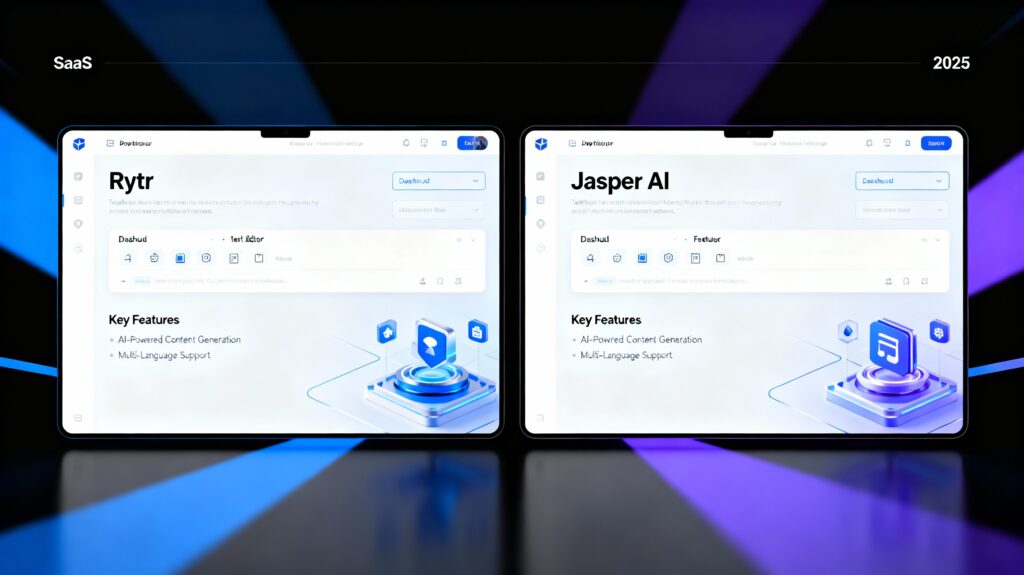
Jasper | AI copywriting | Templates, chat mode, SEO mode | $39–$90+ per month |
CRM & Sales Tools | Best For | Price (Monthly) | Notable Features |
|---|---|---|---|
HubSpot CRM | All-in-one sales/marketing | Free (Basic CRM), $50+ | Free CRM, marketing hub, extensive integrations |
SalesNexus | SMBs with email marketing | ~$40 (estimated) per user | Integrated email campaigns, lead scoring, simple CRM |
EngageBay | Cost-effective marketing suite | $8–$50 (Starter–Pro) | CRM + email + landing pages + helpdesk in one platform |
Ontraport | Entrepreneurs, membership sites | $79–$199 (Starter–Pro) | Visual automation builder, membership, CRM, ecommerce |
ClickFunnels CRM | Funnel-centric selling | $97–$297 (Funnels plans) | Funnel CRM, automated follow-ups, affiliate management |
Productivity Tools | Type | Integrations | Pricing |
|---|---|---|---|
Notion | All-in-one workspace | Slack, Google Drive, Zapier, etc. | Free – $10 per user/mo |
Taskade | Collaboration/tasks | Zapier, Google Calendar, etc. | Free – $10 per user/mo |
Asana | Project management | Slack, Zoom, Outlook, etc. | Free – $10.99 per user/mo |
Trello | Kanban boards | Slack, Dropbox, Evernote, etc. | Free – $10 per user/mo |
Email & Form Tools | Function | Best Feature | Pricing |
|---|---|---|---|
Typeform | Interactive surveys/forms | High engagement, conditional logic | Free – $35 per month |
Google Forms | Basic forms | 100% free, unlimited responses | Free |
SaneBox | Email inbox filtering | AI-powered filtering (SaneLater) | ~$7–$12 per month |
Clean Email | Inbox cleanup | Bulk unsubscribe, auto-classify rules | ~$7 per month |
Funnel & Marketing Tools | Focus | Key Features | Starting Price |
|---|---|---|---|
Systeme.io | All-in-one marketing | Funnels, email, membership, affiliates | $27 per month |
ClickFunnels | Funnel builder | Drag-drop editor, upsells, memberships | $97 per month |
Leadpages | Landing pages | High-conversion templates, A/B testing | $37 per month |
Better Proposals | Sales proposals | Proposal templates, eSignatures | $19 per month |
Each table above outlines how these tools compare across important criteria. These are all examples of digital tools for business 2026 tailored to different needs and budgets. Choose tools based on your business stage and goals. If content marketing is your focus, the AI Content table guides you to the right writers. If sales process is critical, the CRM table shows your options. Productivity tools range from flexible to structured to suit any team. Email and form tools show the trade-off between power and simplicity. Marketing tools highlight funnel builders versus specialized landing pages.
Choosing the Right Tools: When using these tables, match them to your priorities. For example:
– If your content team needs search-driven outlines, Frase might excel due to its SEO integrations, whereas Jasper is more suited for quick creative copy.
– In CRM, new startups often begin with HubSpot’s free CRM, while email-focused teams might prefer SalesNexus for its marketing automation.
– For productivity, a lean team may love Notion’s all-in-one approach, while larger teams might require Asana’s advanced project features.
– In email/forms, Typeform offers flair and conditional logic, whereas Google Forms delivers simplicity at zero cost.
– In funnels, Systeme.io is ideal for budget-conscious all-in-one, while ClickFunnels fits teams needing complex funnel mechanics.
Use these comparisons as a starting point. In practice, companies often combine several tools to cover all needs. For instance, a lead captured via Typeform (see Forms table) could trigger an automated funnel in Systeme.io and end up in HubSpot CRM. Every business is different, so adjust based on your workflows and budget. In sum, these tables help map out which digital tools for business 2026 fit where in your tech stack.
Final Implementation Blueprint
The ultimate test of these concepts is putting them into action. Below is a suggested technology stack blueprint, broken into three levels: Beginner, Intermediate, and Scale Mode. Each column outlines a set of tools and workflows suited to a given stage of growth.
Category | Beginner | Intermediate | Scale Mode |
|---|---|---|---|
Team Size | Solo / 2–3 people | 5–10 people | 20+ people |
Budget | Low ($0–$50/month) | Moderate ($100–$500/month) | Higher ($1000+/month) |
CRM | HubSpot Free CRM + basic email (Gmail/Outlook) | HubSpot Starter or EngageBay (Basic plan) | Ontraport or Salesforce (Mid to Enterprise plan) |
Sales Funnel & Marketing | ClickFunnels (free trial) or Systeme.io Free for funnels | Systeme.io Growth Plan + ActiveCampaign for emails | ClickFunnels Platinum + Kartra or full funnel suite |
AI & Content Tools | ChatGPT (free) + basic SEO tools (e.g. free tools) | Frase or Scalenut (mid-tier plans) + GPT integrations | AISEO team plan + Synthesia + Custom GPT/Azure OpenAI agents |
Productivity Stack | Notion Free + Google Workspace (Calendar, Drive) | Notion + Taskade or Asana (paid plans) + Slack (standard) | Notion Enterprise + Asana Enterprise + Slack Enterprise |
Email Management | Gmail/Inbox Zero method + Clean Email (free) | Gmail/Outlook + SaneBox (or CleanEmail Advanced) | Enterprise email (e.g. GSuite Enterprise) + SaneBox + advanced tools |
Forms & Surveys | Google Forms (free) | Typeform or Jotform (Pro plan) | HubSpot Forms or custom enterprise forms |
Automation/Integration | Zapier Free or native integrations (IFTTT, Flow) | Paid Zapier/Make.com (Integromat) plan + pre-built Zaps | Workato, MuleSoft or enterprise iPaaS with custom connectors |
Example Scenario | Freelancer or startup owner doing it all | Small marketing agency or startup with dedicated teams | Scaling SMB or mid-size enterprise handling many projects |
Each column represents a cohesive toolset. For a beginner (column 1), imagine a solo entrepreneur managing everything: they use the free tier of HubSpot for contacts, simple email tools, and a basic landing page. Workflows remain mostly manual (for example, copying emails into the CRM). This stack keeps costs at zero or near it while covering key functions.
At the intermediate level (column 2), the company has a small team. They upgrade tools to automate more. HubSpot (Starter) or EngageBay handles CRM with some automation. Marketing might run on Systeme.io with email sequences, and maybe Paid ChatGPT or Frase for content. They use both Notion and Slack for collaboration. In this setup, key processes become automated: leads flow from forms to email campaigns to CRM follow-ups without manual intervention.
In scale mode (column 3), the organization invests in enterprise-grade solutions. A Salesforce or Ontraport system manages complex pipelines. Marketing uses both ClickFunnels for high-end funnels and Kartra for membership sites. AI tools are fully engaged: high-tier AISEO, multiple ChatGPT instances, and Synthesia for video. Productivity tools are on premium plans with single sign-on and advanced integrations. Workflows at this stage are smooth: leads captured by any form feed into CRM automatically, billing and contracts go through connected systems, and data flows across every app via robust integrations.
Industry Examples: Different sectors tweak these stacks. A SaaS startup might follow the Intermediate column: HubSpot + Systeme.io for automated onboarding, Frase for content, and Notion for documentation. An eCommerce business could start with the Beginner setup (Shopify’s free CRM and email, a simple ClickFunnels page) and evolve to Scale by adding Klaviyo, an enterprise CRM, and advanced AI personalization. A consulting firm might skip funnel tools entirely, instead filling its stack with HubSpot, Better Proposals, and Slack.
The key is picking tools that cover each need and connect well. An effective beginner stack might combine a free CRM, a task tool, and a simple form – enough to get started. As you move to intermediate, add marketing automation, paid task tools, and cloud email. In scale mode, invest in enterprise editions and full integration platforms. Each upgrade should align with the complexity of your workflows.
Begin at the column that fits your current size, then add or swap tools as you grow. This incremental approach ensures you adopt digital tools for business 2026 purposefully, not haphazardly. The companies that succeed will be those that continually refine their stack, using this blueprint as a living guide. Start small, automate what you can, and expand your stack step by step. Soon you’ll operate with the confidence and agility that define the most advanced, digital-first companies of 2026.
Start implementing this blueprint today, and transform your operations into an efficient, automated engine powered by the right combination of digital tools for business 2026.